
Valley of Flower Trek
The Ultimate Winter Wonderland of Uttarakhand
Experience snow-covered trails, pine forests & 360° Himalayan views
Valley of Flower Trek at a Glance
Moderate
Trek Difficulty

6 Day
Trek Duration
14200 FT
Altitude

Suitable For
15-50 years

Trek distance
40 km

Base Camp
Govindghat

Stay
Tents

Region
Uttarakhand

Pick up
Dehradun

Drop off
Dehradun

Cloakroom
Available

Off loading
Available
Moderate
Trek Difficulty
6 Days
Trek Duration
14200 FT
Altitude
Suitable For
15-50 years
Stay
Tents
Region
Uttarakhand
Pick up
Dehradun
Drop off
Dehradun
Trek distance
40 km
Base Camp
Govindghat
Cloakroom
Available
Off loading
Available
What Trekjunkies say about Valley of Flower Trek?
Valley of Flowers taught me to be present—the gentle walk and endless blooms made me pause, breathe, and notice my steps, thoughts, and the silence between them. I learned that not every trail is about conquering heights; sometimes it's about letting nature set your rhythm and finishing physically worn but mentally peaceful.
Amit Khullar
UI/UX Engineer
Valley of Flowers was humbling—the gentle trail and vibrant colors kept pulling me forward even when my legs wanted to stop, teaching me to listen to the wind, water, and my own heartbeat. It reminded me that growth comes from consistency, not force, leaving me tired in body but calm and clear in mind.

Nikunj Goyal
IT Professional
Valley of Flowers was a reset—the patient path and quiet meadows slowed my thoughts down and taught me to feel the trek instead of rushing through it. I learned that sometimes mountains don't challenge your strength, they challenge your awareness, leaving me physically drained but mentally refreshed.
Nidhi Saraswat
Digital Marketer
The Valley of Flowers Trek – A Canvas of Colors in the Himalayas
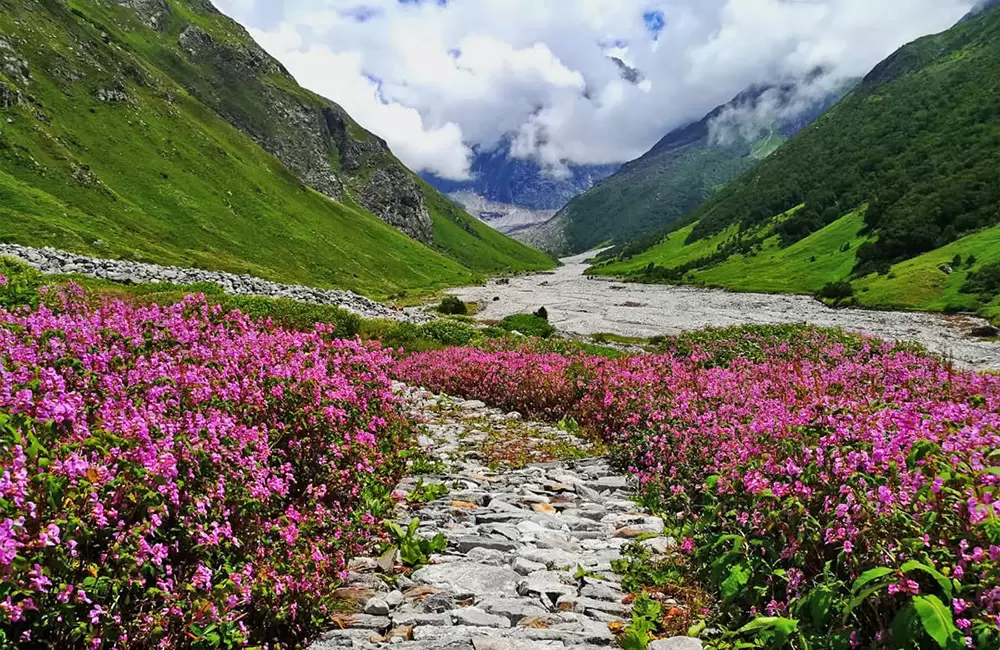
The Valley of Flowers Trek is one of the most breathtaking and iconic Himalayan treks in Uttarakhand, celebrated for its vibrant alpine meadows and peaceful mountain atmosphere. Located in the Chamoli district, this UNESCO World Heritage Site sits at an altitude of around 12,000 feet and comes alive during the monsoon season when thousands of wildflowers bloom across the valley in every imaginable color.
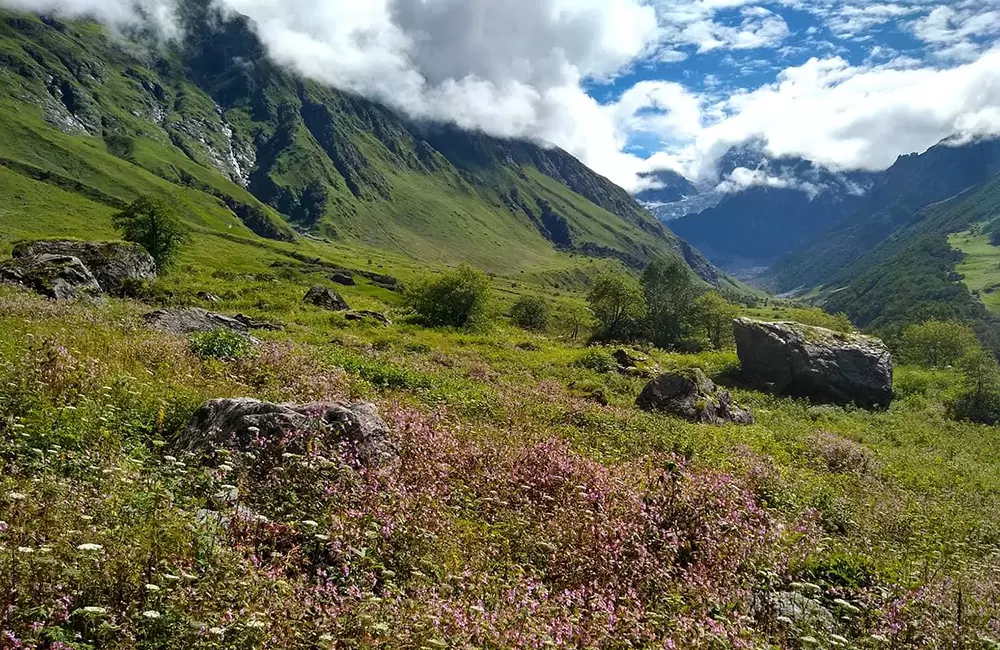
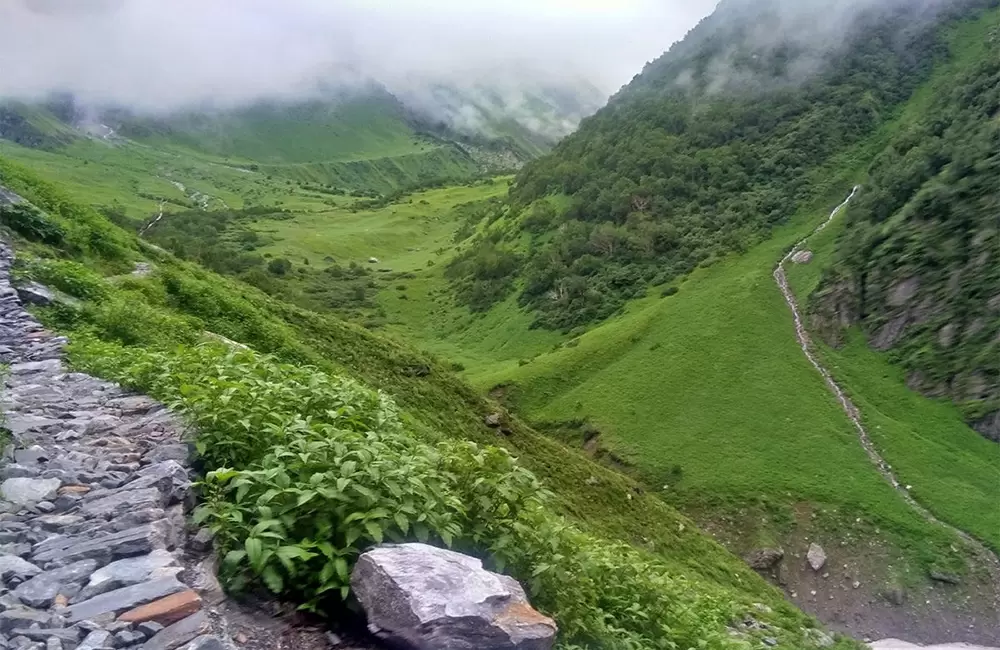
The trail takes you through dense forests of oak, pine, and rhododendron, alongside flowing rivers and misty mountain slopes. As you move higher, the landscape opens into wide, flower-filled meadows surrounded by snow-capped peaks and drifting clouds. Each section of the trek feels untouched and pure, offering trekkers a rare sense of calm and connection with nature. Beautiful viewpoints and quiet resting spots appear along the route, making the journey as rewarding as the destination itself.
Typically completed in four to six days, the Valley of Flowers Trek is ideal for those seeking a short yet deeply immersive Himalayan experience. One of its biggest highlights is its natural diversity. The region is home to rare plants, butterflies, and bird species, adding to the richness of the trail.
The trek is considered easy to moderate, making it suitable for beginners with good fitness as well as experienced trekkers looking for a scenic and relaxed adventure. With its colorful landscapes, gentle trails, and tranquil surroundings, the Valley of Flowers promises a journey filled with beauty, peace, and unforgettable memories.
The Story Behind the Valley of Flowers
The Valley of Flowers remained hidden from the outside world for centuries, known only to local shepherds and villagers in the high Himalayas. Its modern discovery is credited to British mountaineer Frank Smythe, who stumbled upon the valley in 1931 while returning from an expedition to Mount Kamet. Exhausted and lost, Smythe and his companions entered a wide, green valley filled with an astonishing variety of wildflowers. The sight was so unexpected and beautiful that it left a lasting impression on him.
He later returned to explore the area more thoroughly and wrote a book titled The Valley of Flowers, which introduced the valley to the rest of the world. The name perfectly captured what the region truly was—a natural garden blooming with hundreds of alpine flower species during the monsoon season.
Over time, scientists and botanists began studying the valley’s rich biodiversity, recognizing it as one of the most unique floral regions in the Himalayas. To protect its fragile ecosystem, the area was declared a national park in 1982 and later earned the status of a UNESCO World Heritage Site.
Today, the Valley of Flowers stands not just as a trekking destination, but as a symbol of untouched Himalayan beauty—a place where nature tells its own quiet, powerful story.
Trek Fee
₹7500 + 5% GST
Complete Package from Dehradun To Dehradun.
Optional: ₹500 Per Day Backpack Offloading - base
Trek Registration
Similar Treks
Kuari Pass trek
Uttarakhand
Gulabi Kantha trek
Uttarakhand
Roopkund trek
Uttarakhand
Kedarkantha Trek
Uttarakhand
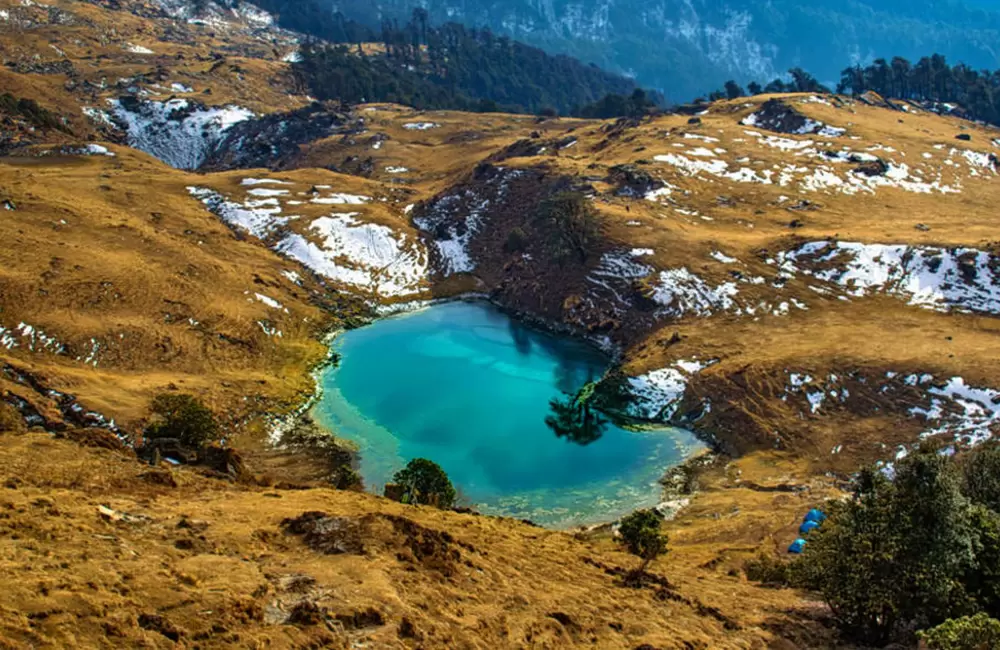
Brahmatal Trek
Uttarakhand
Best Time to Visit
This is the most popular and beautiful time to visit the Valley of Flowers. The monsoon brings the valley to life with thousands of wildflowers in full bloom, painting the landscape in vibrant colors. The meadows are lush, the streams are flowing, and the valley looks like a natural garden.
What to expect:
• Maximum flower variety
• Green landscapes and misty views
• Cool, fresh weather
• Occasional rain and slippery trails
In June, the valley begins to open after winter. Snow still covers parts of the trail, and only early flowers start to appear. The scenery is dramatic with snow patches and melting streams.
What to expect:
• Fewer flowers, more snow
• Quiet trails
• Cold mornings and nights
• Clear mountain views
By late September, most flowers start fading, but the valley remains peaceful and scenic. The skies are clearer, and the surrounding peaks look sharp and bright.
What to expect:
• Fewer blooms
• Golden grass and open views
• Colder temperatures
• Calm and less crowded trails
The valley remains closed due to heavy snow and harsh weather. Trekking is not possible during this time.
What to expect:
• Snow-covered routes
• No access to the valley
• Extreme cold conditions
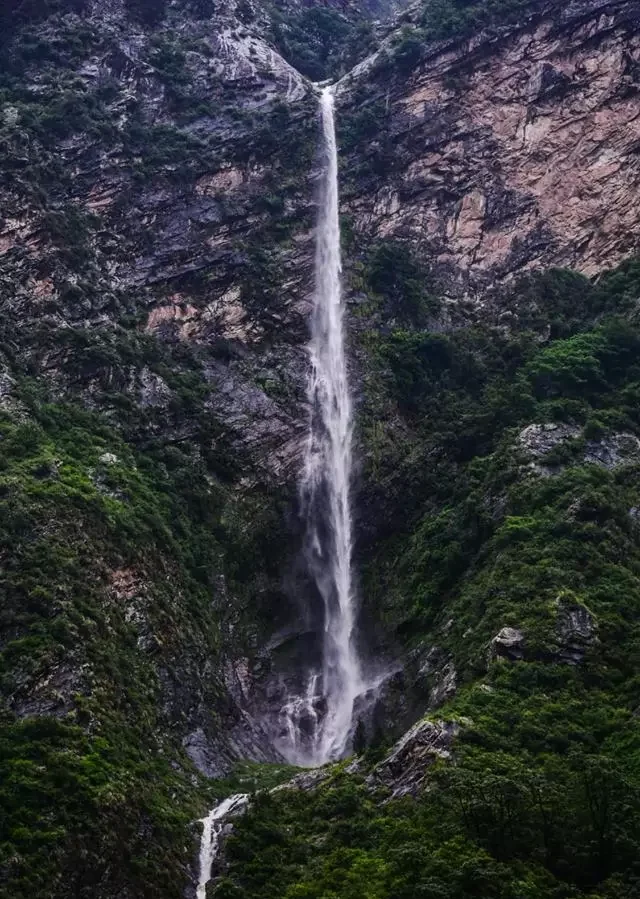
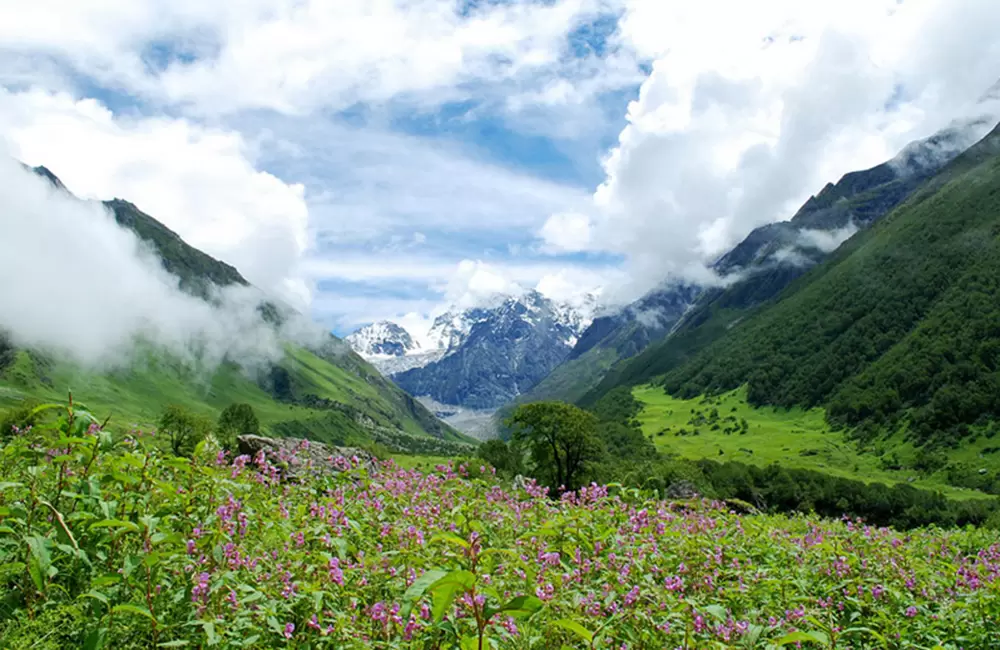
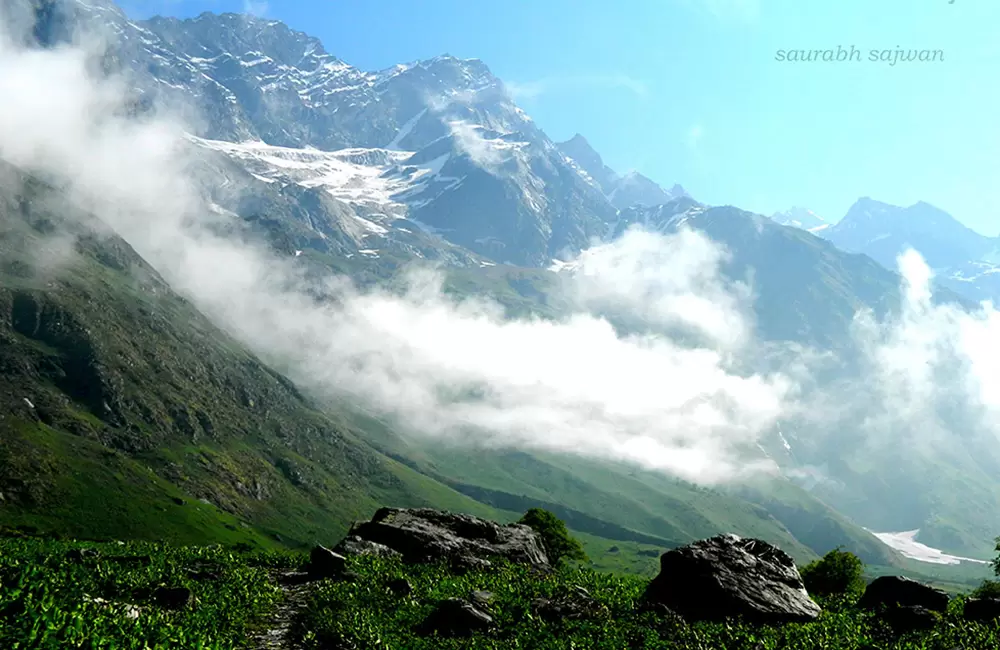
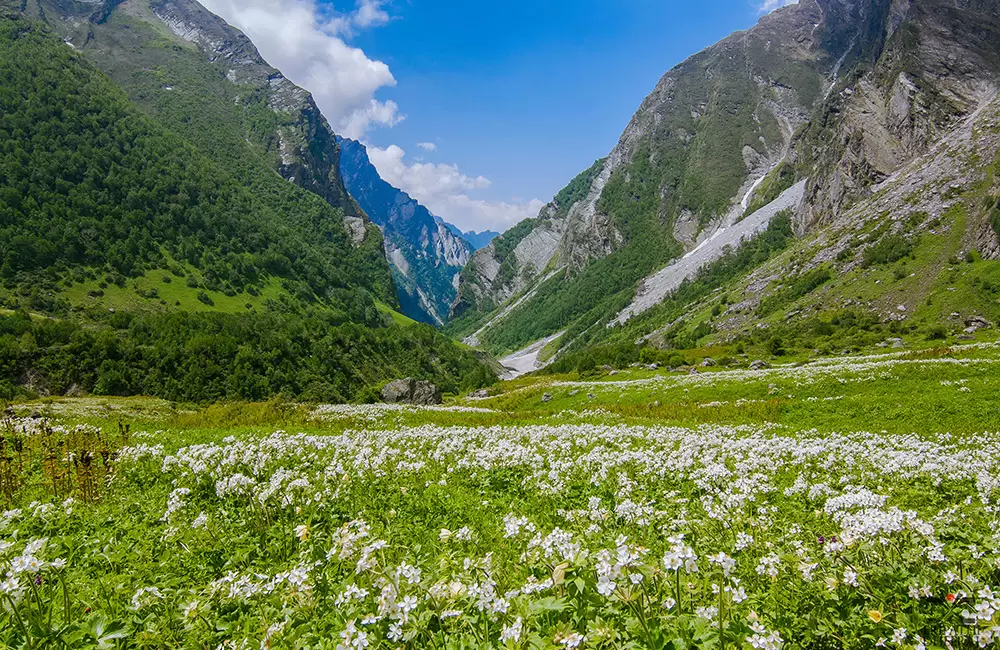
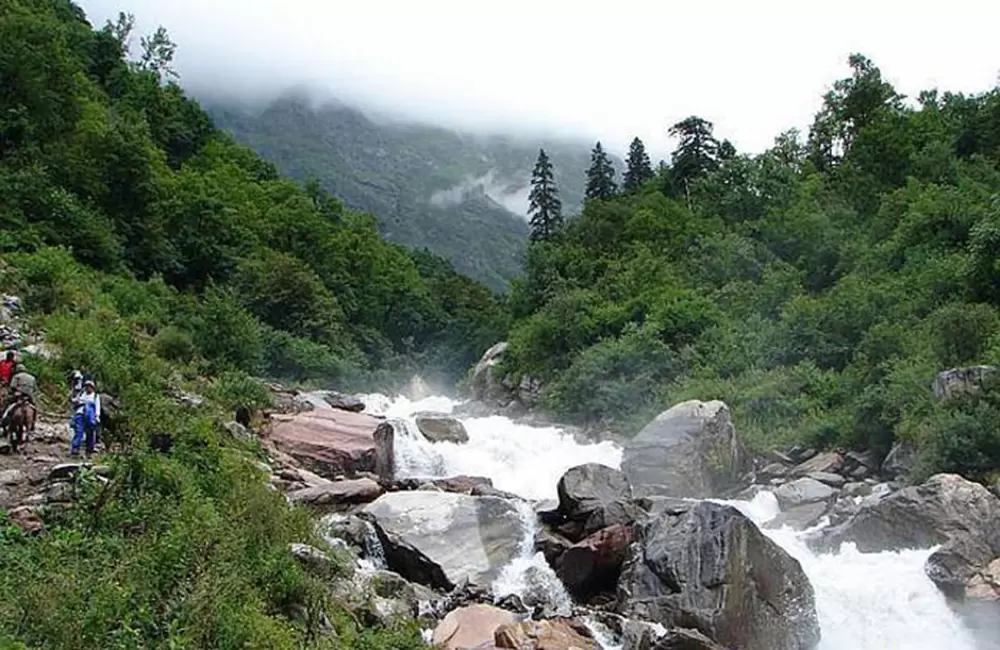
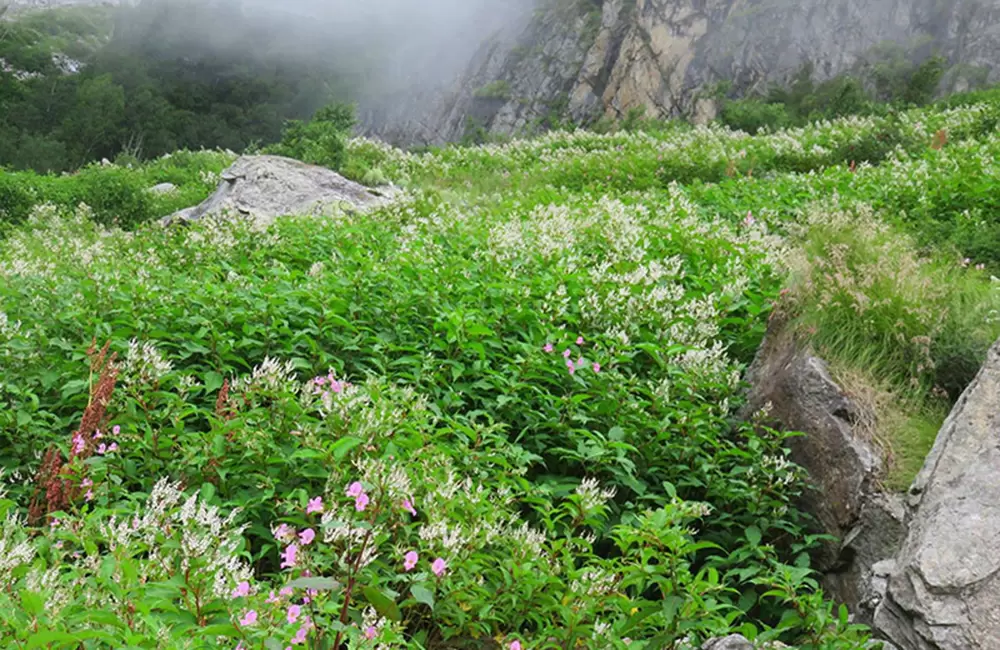
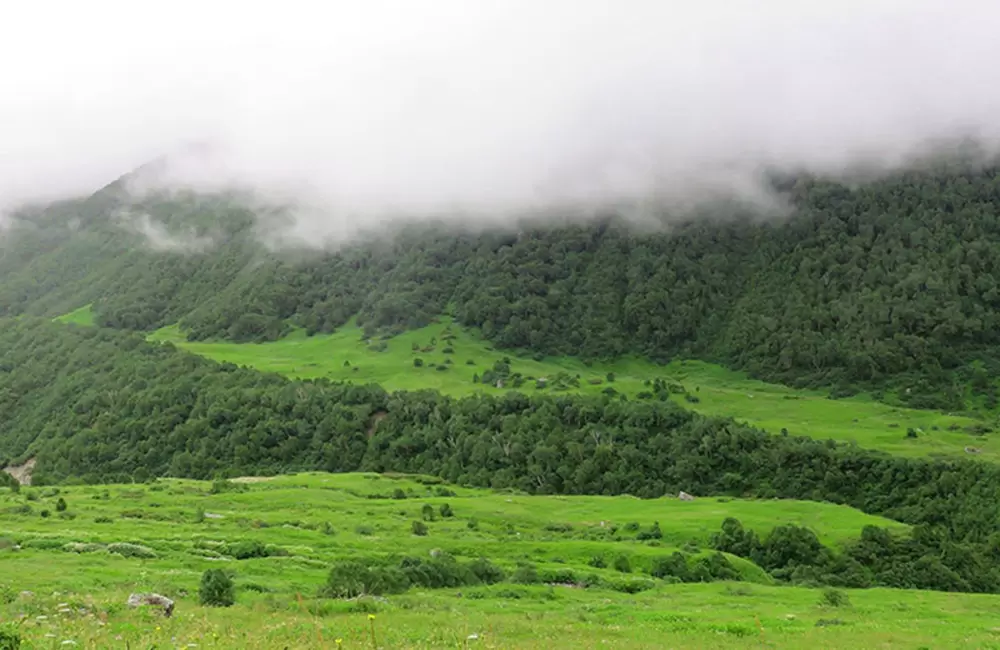
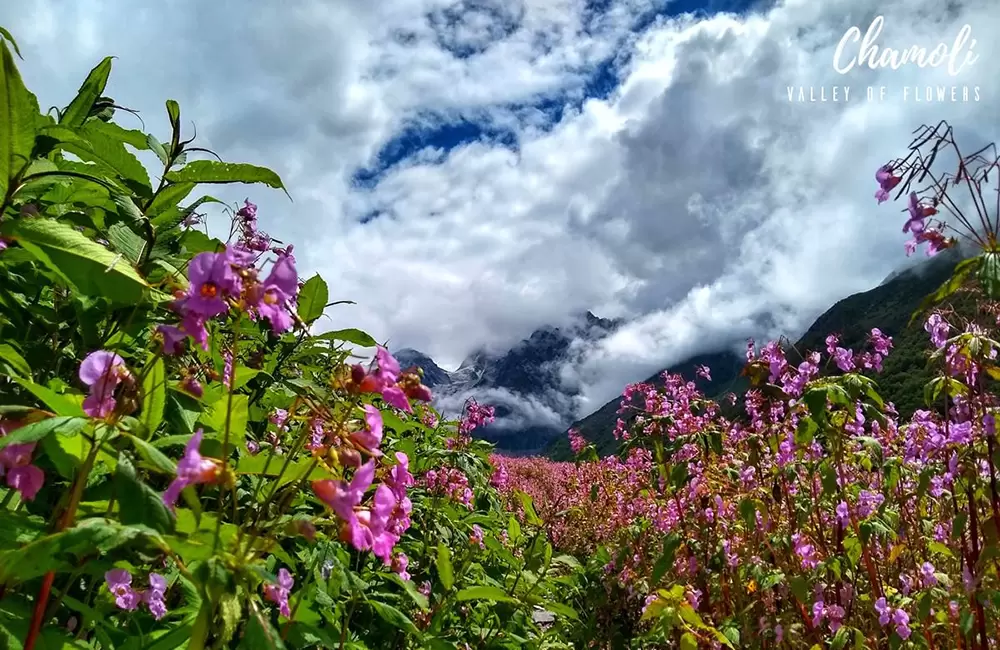
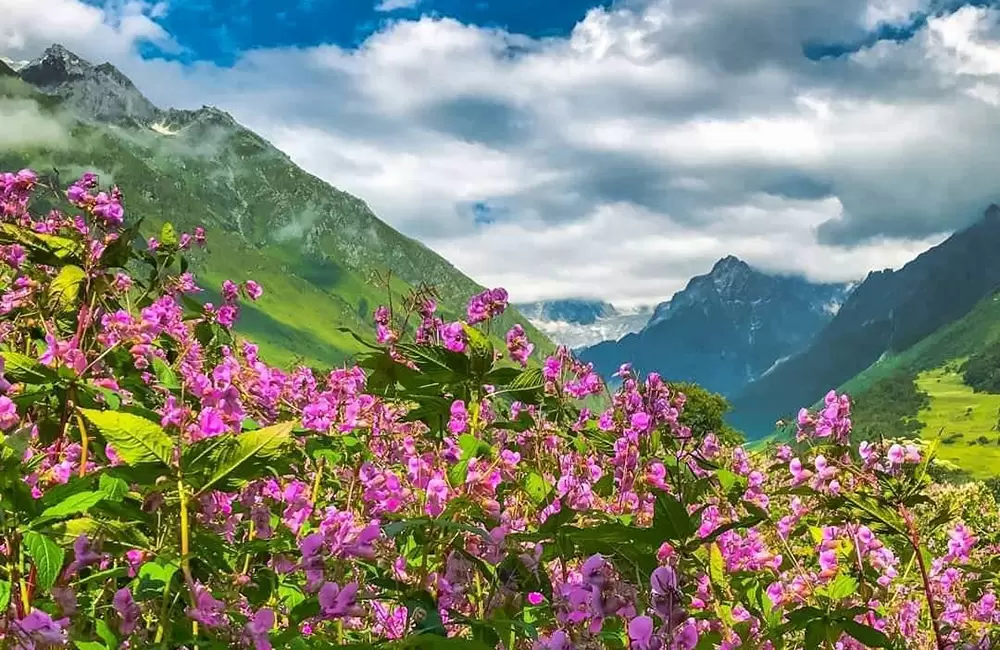
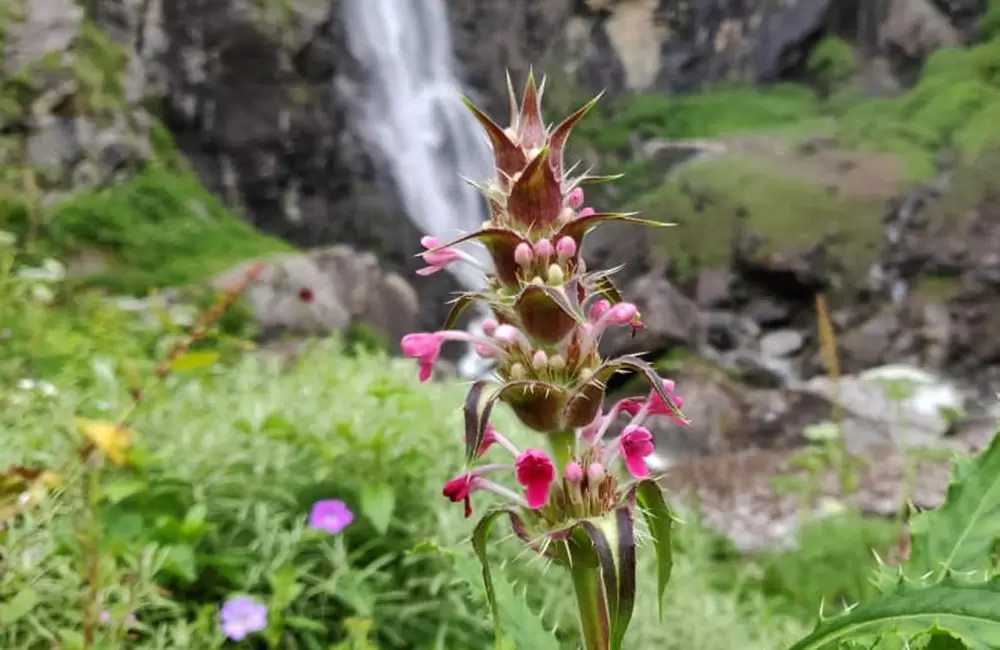
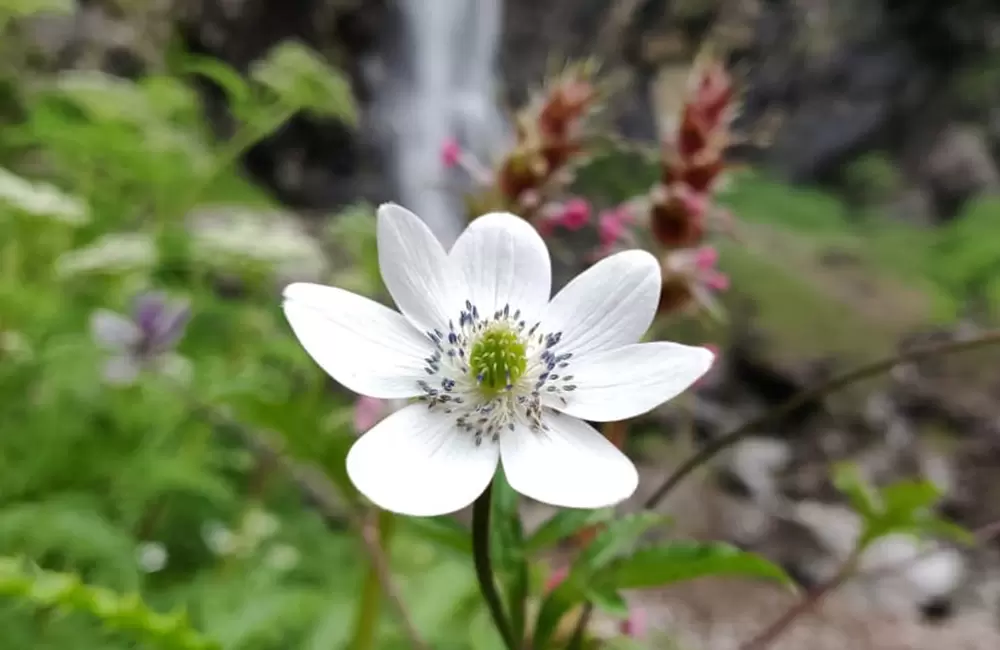
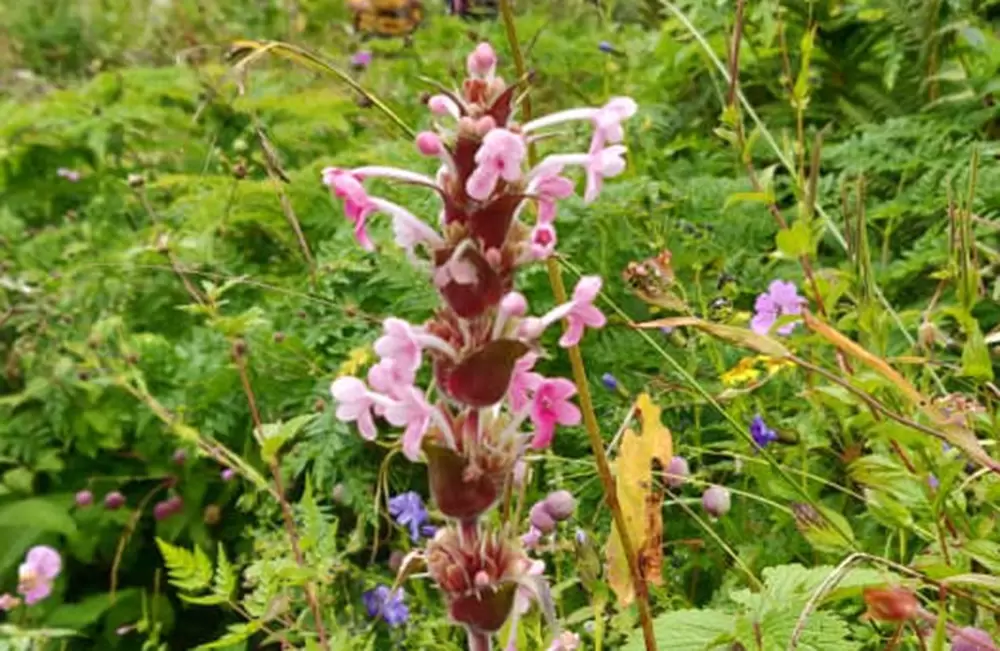
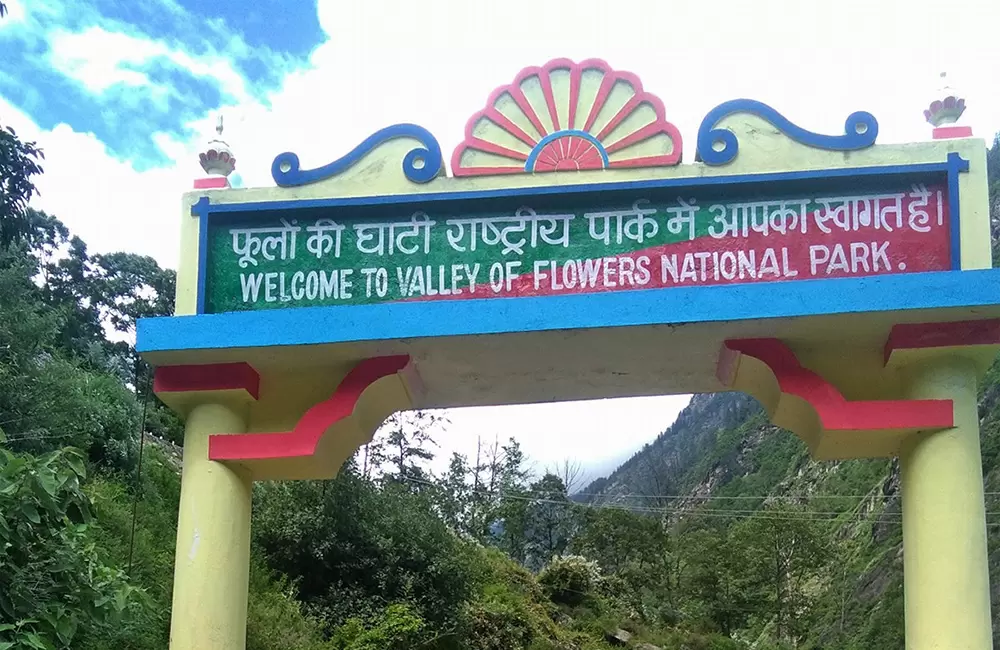
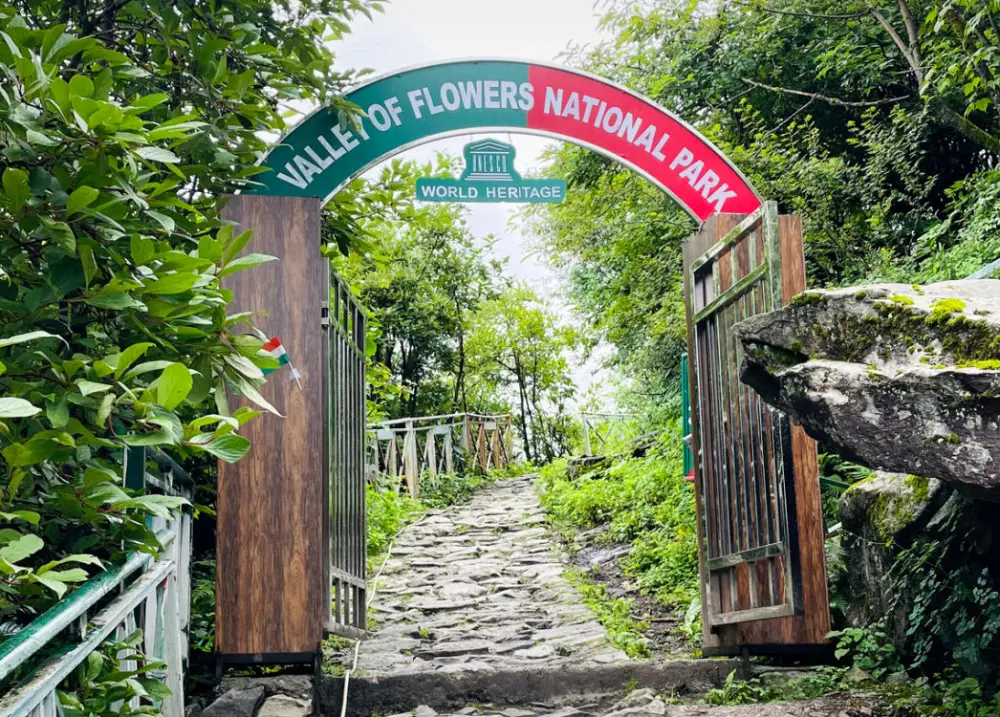
Through the Lens: Valley of Flower Trek Scenic Views
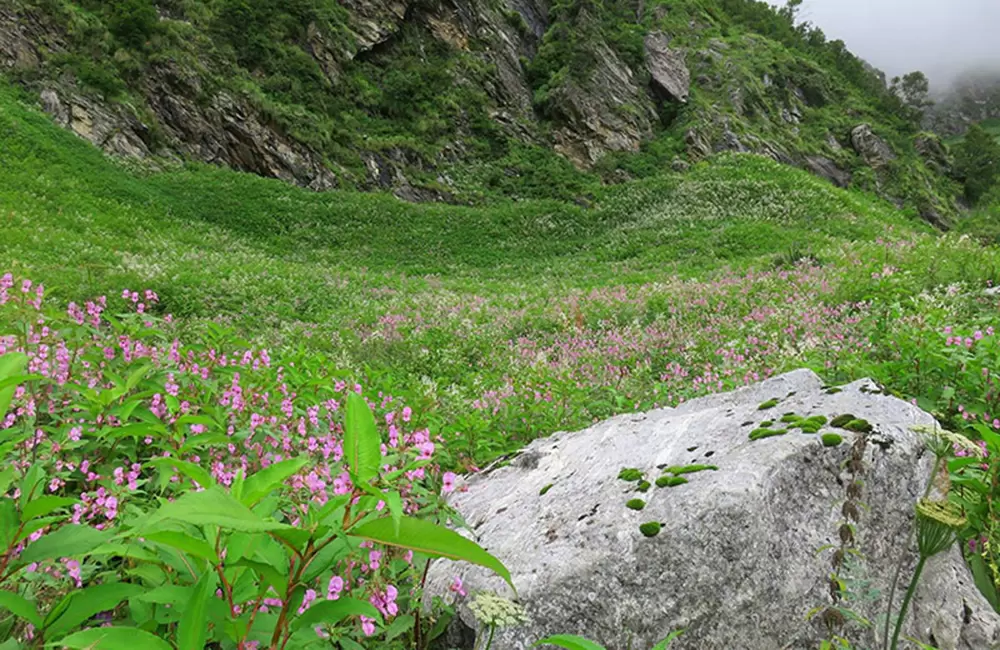
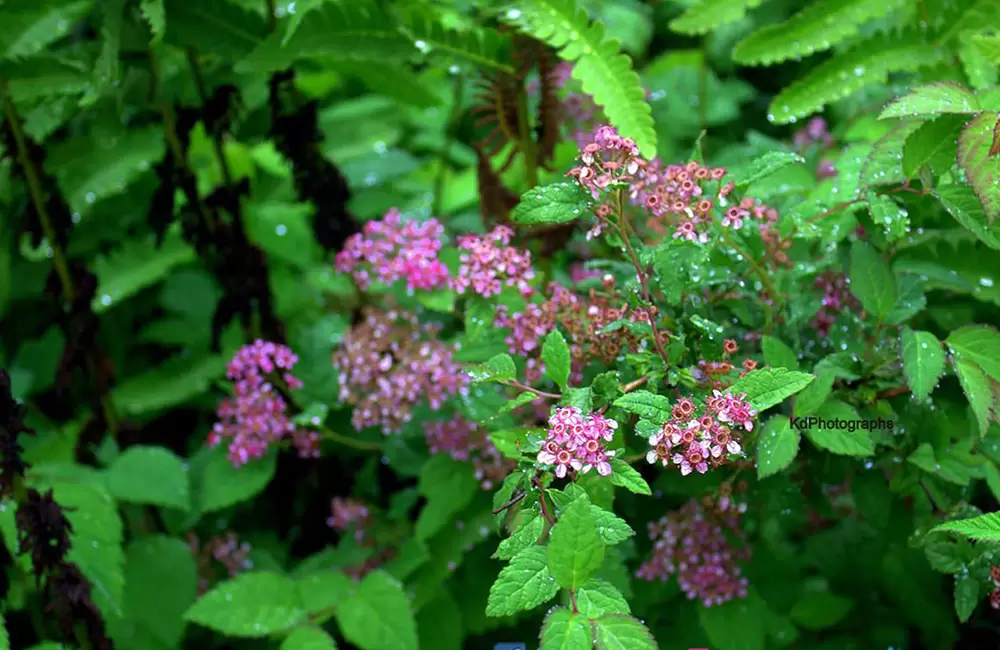
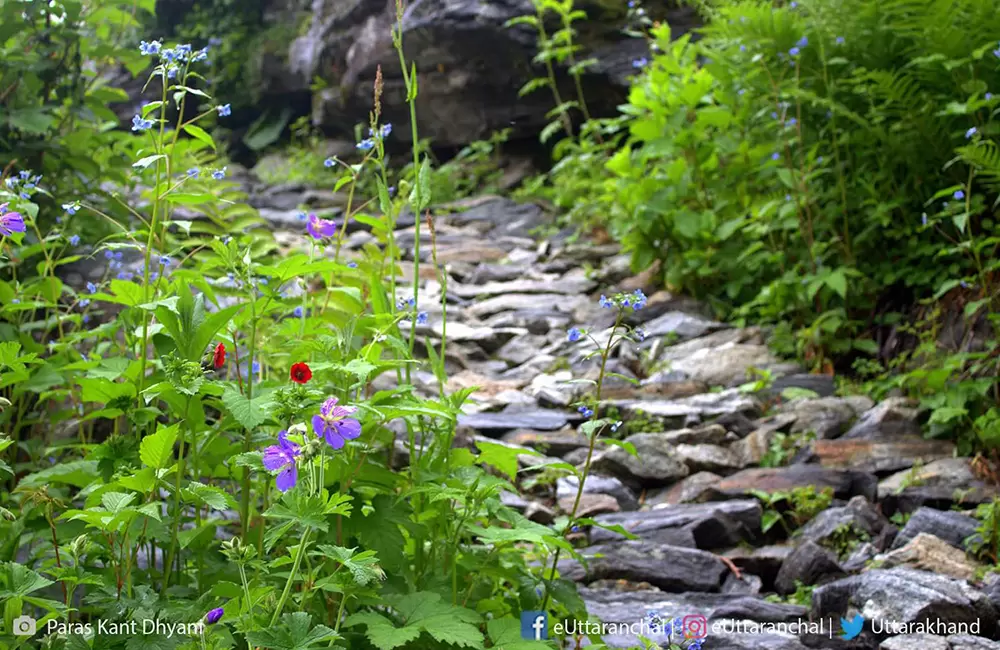
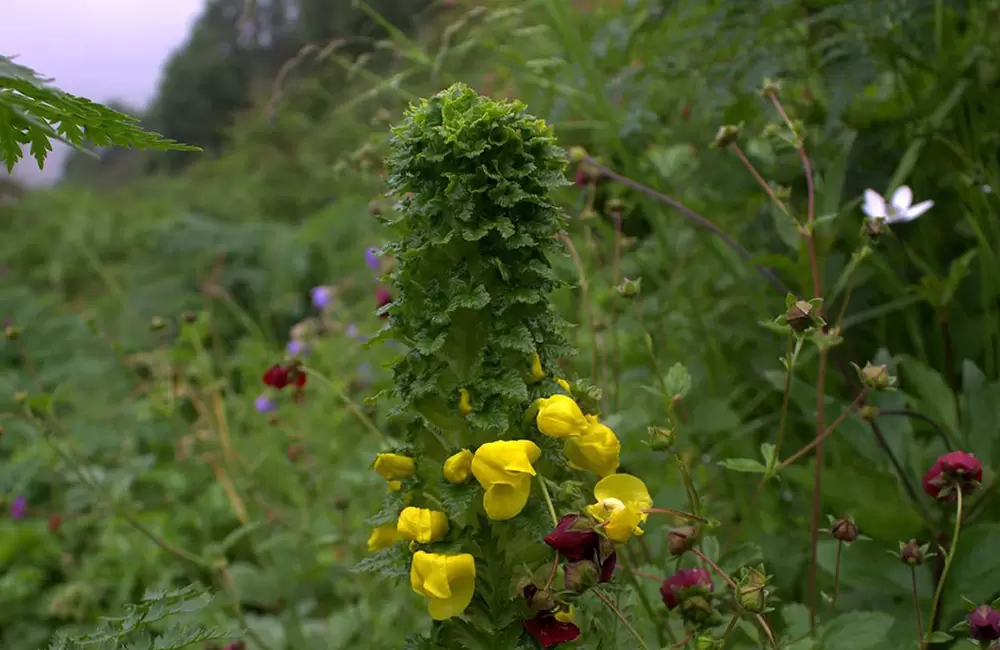
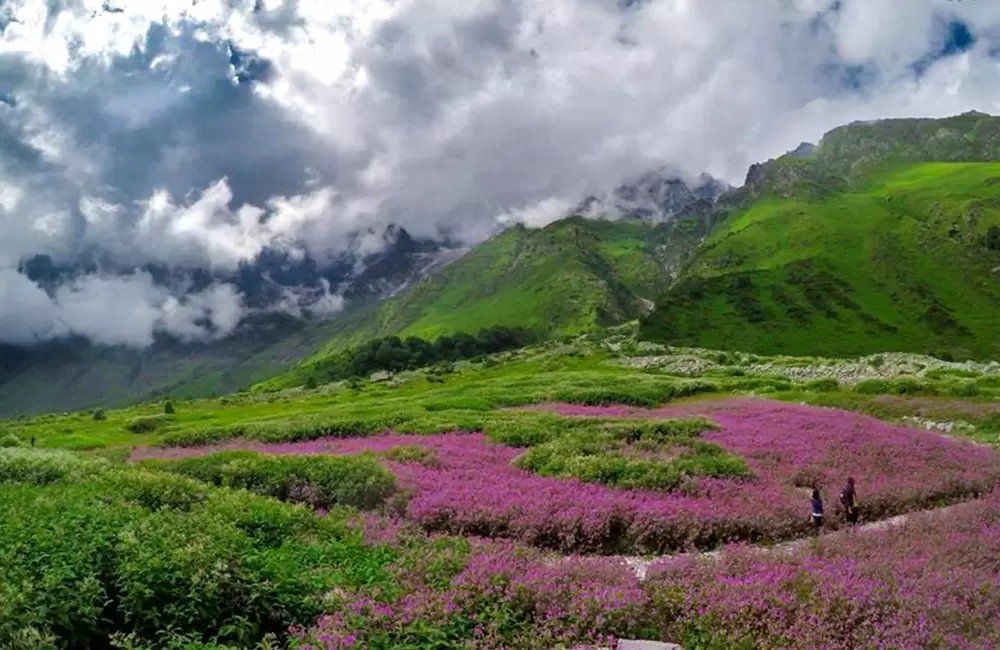
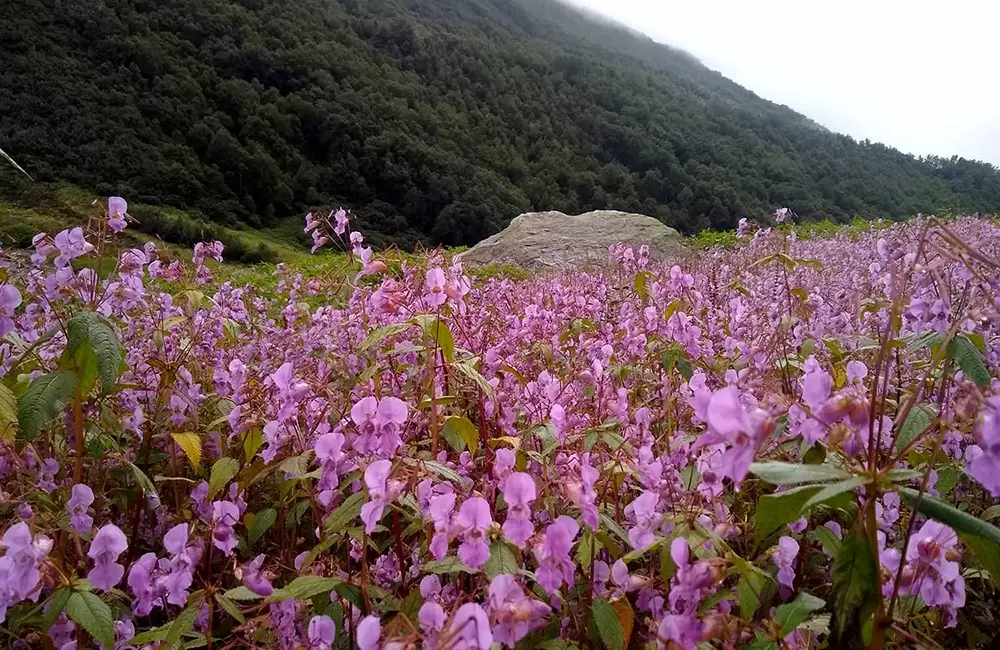
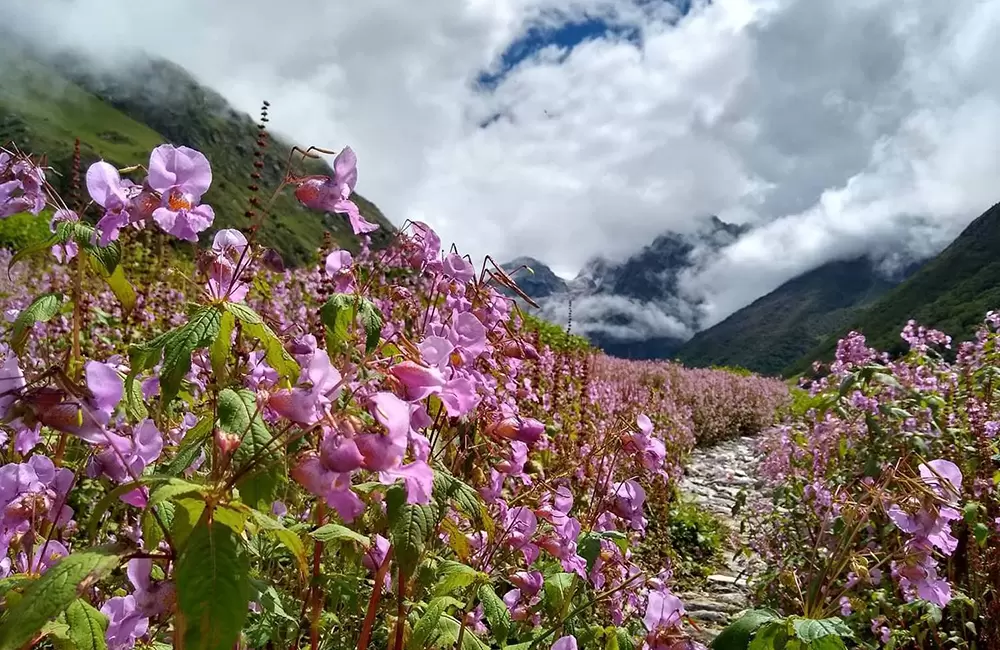
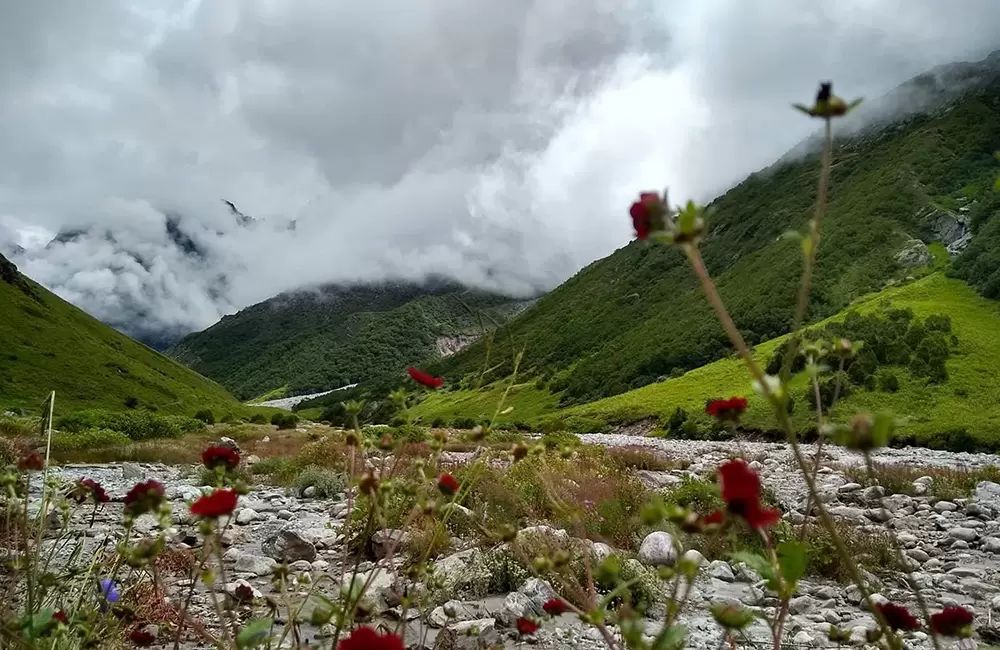
Trek Route & Itinerary
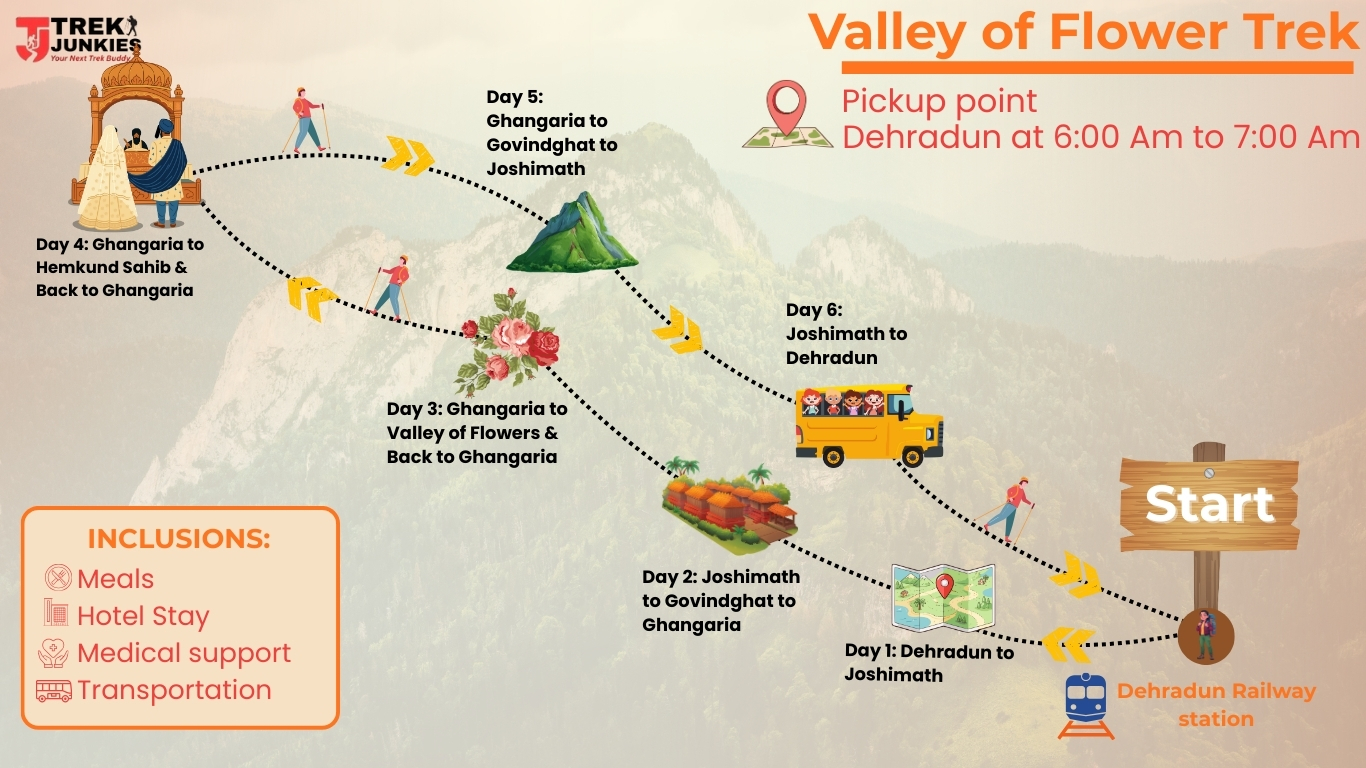
Detailed Day-Wise Valley of Flower Trek Itinerary
Begin your journey with a scenic drive from Dehradun to Joshimath. The drive takes approximately 10 to 11 hours covering around 280 kilometers through beautiful mountain roads alongside the holy Alaknanda and Bhagirathi rivers. You'll pass through sacred towns like Devprayag, Rudraprayag, and Karnaprayag where rivers converge. The route offers stunning views of terraced fields, traditional villages, and distant snow-capped peaks. Joshimath sits at 6,150 feet and is an important pilgrimage town and gateway to several Himalayan treks. Spend the evening exploring the town and preparing for the trek ahead. Overnight stay in hotel or guesthouse.
After breakfast, take a short 30-minute drive from Joshimath to Govindghat at 6,000 feet. From Govindghat, begin your trek to Ghangaria, the base camp for Valley of Flowers. The 14-kilometer uphill trek takes approximately 6 to 7 hours climbing steadily alongside the Lakshman Ganga river. The trail is well-paved in sections with steps carved into the mountainside. You'll pass through the beautiful village of Pulna and cross several small waterfalls cascading down the cliffs. In monsoon season, the trail can be wet and slippery, so walk carefully. The path winds through dense forests with glimpses of the valley ahead. Ghangaria sits at 10,000 feet and is a small settlement with basic guesthouses and shops catering to trekkers and pilgrims visiting Hemkund Sahib. Rest and acclimatize at this altitude. Overnight stay in guesthouse.
Start early after breakfast for the magical walk to Valley of Flowers. The 4-kilometer gentle trek takes about 2 hours along a well-maintained trail that runs mostly flat beside the Pushpawati River. The path is easy and allows you to enjoy the surroundings without physical strain. As you enter the valley, you'll be greeted by an explosion of colors with hundreds of flower species blooming across the meadows. The valley stretches for about 10 kilometers, but trekkers typically explore 3 to 4 kilometers inside. Spend 4 to 5 hours walking through this floral paradise, taking photographs, and soaking in the natural beauty. You'll see rare flowers like blue poppies, Brahma Kamal, cobra lilies, primulas, daisies, and countless varieties of orchids and wildflowers. The backdrop of snow-covered peaks including Nilgiri Parbat, Rataban, and Gauri Parbat makes the experience even more breathtaking. In the afternoon, trek back to Ghangaria before evening. Overnight stay in guesthouse.
Today is dedicated to visiting the sacred Hemkund Sahib, a revered Sikh pilgrimage site. Start early as the 6-kilometer steep climb takes about 4 to 5 hours to reach 15,200 feet. The trail is challenging with continuous uphill sections and stone steps. As you climb higher, the views become spectacular with the valley spreading below and peaks surrounding you. Hemkund Sahib sits beside a beautiful glacial lake surrounded by seven snow-clad peaks. The gurudwara reflects in the crystal-clear waters creating a serene and spiritual atmosphere. After paying respects and enjoying the peaceful surroundings, begin your descent back to Ghangaria. The descent takes about 3 to 4 hours. This is an optional day trip, but highly recommended for the stunning views and spiritual experience. Overnight stay in guesthouse.
After breakfast, begin your descent from Ghangaria to Govindghat. The 14-kilometer downhill trek takes approximately 5 to 6 hours retracing the same route you climbed on Day 2. The descent is easier on the lungs but can be tough on the knees, so use trekking poles if needed and take regular breaks. Enjoy the last views of the mountains and waterfalls along the way. Reach Govindghat by afternoon and take a vehicle back to Joshimath. Spend the evening relaxing and celebrating the successful completion of your Valley of Flowers experience. Overnight stay in hotel or guesthouse.
After breakfast, begin your return journey to Dehradun. The 280-kilometer drive takes about 10 to 11 hours through the scenic mountain roads along the rivers. Carry your memories of the colorful flower meadows, sacred Hemkund Sahib, and beautiful Himalayan landscapes as you head back. Reach Dehradun by evening where the Valley of Flowers Trek officially ends.
Experience & Highlights
Valley of Flowers Trek is special because of its extraordinary natural beauty that exists nowhere else in the world. Over 500 species of wildflowers bloom together in this high-altitude valley, creating a living carpet of colors that stretches across 10 kilometers. Rare and endangered flowers like the blue poppy, Brahma Kamal, cobra lily, and Himalayan bellflower grow naturally here in abundance. The valley's unique microclimate and geographical position create perfect conditions for this incredible biodiversity. UNESCO recognized it as a World Heritage Site for its outstanding universal value and exceptional natural beauty. Walking through millions of blooming flowers with snow-capped peaks surrounding you creates a surreal experience that feels almost dreamlike.
The trek's accessibility makes it special for people of all ages and fitness levels. Unlike challenging high-altitude treks, Valley of Flowers offers a relatively easy and gentle trail that families, elderly trekkers, and beginners can comfortably complete. The well-maintained path from Ghangaria to the valley is mostly flat, allowing you to focus on enjoying nature rather than struggling with difficult terrain. This combination of extraordinary beauty and easy accessibility is rare in the Himalayas.
What truly sets this trek apart is the emotional connection people feel here. The overwhelming beauty creates moments of pure peace and joy that stay with you forever, making it more than just a trek—it's a deeply moving experience.
Valley of Flowers Trek offers breathtaking highlights that create unforgettable memories. The valley itself is the main attraction with its stunning carpet of wildflowers in every imaginable color—pink primulas, purple geraniums, yellow potentillas, white anemones, and the rare blue Himalayan poppy. The sight of millions of flowers blooming together against the backdrop of snow-covered peaks is absolutely mesmerizing. Hemkund Sahib, a sacred Sikh pilgrimage site located nearby at 15,200 feet, features a beautiful gurudwara beside a crystal-clear glacial lake surrounded by seven snow-clad mountains. The village of Ghangaria serves as a charming base camp with its simple mountain hospitality and stunning valley views.
The scenic beauty along the entire route is spectacular and diverse. The trek begins at Govindghat where the Alaknanda River flows powerfully through the valley. The trail to Ghangaria takes you through dense forests of oak, pine, and rhododendron trees with waterfalls cascading down rocky cliffs. Inside the valley, the Pushpawati River flows gently through flower meadows, creating peaceful spots perfect for relaxation and photography. Towering peaks like Rataban, Nilgiri Parbat, and Gauri Parbat surround the valley, their snow-covered summits gleaming brilliantly in the sunlight.
Every turn reveals new natural wonders—colorful butterflies fluttering among flowers, streams forming small pools, and mist rolling over meadows creating magical atmospheres that make you feel like you've entered paradise.
Valley of Flowers is a botanical paradise with over 500 species of flowering plants creating a stunning natural display. The rare blue Himalayan poppy, considered one of the most beautiful flowers in the world, blooms here in abundance. You'll find Brahma Kamal, a sacred flower that blooms at night, along with cobra lilies, primulas, daisies, marigolds, calendulas, and countless varieties of orchids. Medicinal plants like aconite and geraniums grow naturally throughout the valley. The rhododendron forests along the trail add splashes of red and pink, while alpine grasses and mosses carpet the ground between flower patches. This incredible biodiversity makes the valley a living laboratory for botanists and nature enthusiasts.
The fauna is equally fascinating though animals are shy and less visible. Himalayan black bears, snow leopards, and musk deer inhabit the region but rarely appear near trekking routes. You might spot blue sheep grazing on distant slopes or catch glimpses of red foxes. The valley is home to numerous bird species including Himalayan monals with their colorful plumage, snow pigeons, and various eagles soaring overhead. Butterflies are abundant, fluttering from flower to flower in beautiful patterns.
The Himalayan views are spectacular with peaks like Nilgiri Parbat, Rataban, and Gauri Parbat forming a magnificent backdrop. These snow-covered mountains rising above the colorful valley create picture-perfect scenes at every angle.
Difficulty & Fitness
Roopkund Trek is classified as moderate to challenging, making it suitable for trekkers with some prior experience and good fitness levels. The trek reaches a high altitude of 15,696 feet, which can cause altitude sickness if you don't acclimatize properly. The distance covered is approximately 53 kilometers over seven to eight days, with daily walking hours ranging from five to eight hours. Steep ascents and descents test your endurance, especially during the final climb to Roopkund Lake which involves navigating through rocky terrain and boulder fields. The thin air at high altitude makes breathing harder and every step more tiring than normal.
Winter trekking increases the difficulty significantly due to harsh weather conditions and deep snow. Temperatures drop drastically, and walking through knee-deep or waist-deep snow requires much more energy and strength. The cold, combined with altitude, makes winter Roopkund one of the toughest treks in India, recommended only for experienced trekkers with prior high-altitude and winter trekking experience.
To prepare for Roopkund, start training at least four to six weeks before your trek. Build cardiovascular endurance through running, cycling, or swimming. Practice uphill walks with a loaded backpack to strengthen your legs. If you have good fitness, mental determination, and listen to your guide's advice, completing Roopkund is definitely achievable and incredibly rewarding.
Yes, Valley of Flowers Trek is perfect for beginners and is one of the most beginner-friendly treks in the Himalayas. The trail is well-maintained, mostly flat, and relatively short with only 14 kilometers of actual trekking from Ghangaria to the valley and back. The maximum altitude of 12,000 feet is moderate compared to other high-altitude treks.
The trek doesn't require any technical skills or previous trekking experience. The gentle slopes and easy terrain make it suitable for families with children and elderly trekkers. Daily walking distances are manageable with plenty of time to rest and enjoy the flowers.
With basic fitness and proper preparation, any beginner can comfortably complete this trek and experience the Himalayan beauty without extreme physical challenges.
Valley of Flowers Trek requires only basic fitness levels, making it accessible to most people. You should be able to walk comfortably for 4 to 6 hours daily on uphill and flat terrain. The steepest section is the 14-kilometer climb from Govindghat to Ghangaria, but it's done at a relaxed pace with regular breaks.
Start light preparation two to three weeks before your trek. Daily walking for 30 minutes, basic stretching, and climbing stairs helps build stamina. Focus on improving leg strength through simple exercises like squats and lunges for better comfort on uphill sections.
Unlike challenging high-altitude treks, Valley of Flowers doesn't demand intense training. Regular physical activity and healthy habits are sufficient for enjoying this beautiful trek comfortably.
Preparation Guide
Pack lightweight clothing suitable for monsoon weather. Carry quick-dry trekking pants, thermal innerwear, fleece jacket, and a good quality waterproof rain jacket with hood. Bring at least three pairs of trekking socks and comfortable trekking shoes with strong grip for slippery trails. A poncho or rain cover protects your backpack from getting wet during rainfall.
Essential gear includes a sturdy backpack, water bottle, sunglasses, sunscreen, and a cap for sun protection. Pack a headlamp, basic first-aid kit with personal medicines, and insect repellent for leeches. Carry energy bars and dry fruits for quick snacks on the trail.
Wear comfortable layered clothing that keeps you dry during the monsoon season. Start with a moisture-wicking base layer or thermal innerwear, add a fleece jacket for warmth, and top it with a waterproof rain jacket. This layering system lets you adjust to changing temperatures and sudden rain showers throughout the day.
For lower body, wear quick-dry trekking pants that dry fast after getting wet. Avoid jeans completely as they stay wet and uncomfortable. Carry waterproof gaiters to protect your legs from leeches in forested sections. Wear at least two pairs of good quality trekking socks to keep feet dry and prevent blisters.
Important accessories include a waterproof cap or hat, comfortable trekking shoes with excellent grip, and gloves for cold mornings. Full-sleeved shirts protect against sun and insects.
Stay safe by walking carefully on slippery trails during monsoon. The path can become muddy and wet, especially between Govindghat and Ghangaria. Use trekking poles for better balance and always watch your step on steep sections. Stay hydrated and walk at a comfortable pace to avoid exhaustion. Inform your guide immediately if you feel unwell or experience any breathing difficulties at altitude.
Protect yourself from leeches by wearing full-length pants and applying salt or insect repellent on shoes and lower legs. Check your body regularly and remove leeches carefully if attached. Carry a raincoat always as weather changes quickly in the mountains.
Respect the protected valley by staying on marked trails and never plucking flowers—it's strictly prohibited and punishable by law. Carry all waste back with you to keep the valley clean.
Stay, Food & Facilities
You will stay in our cozy guesthouses at base villages and comfortable alpine tents at campsites with basic facilities and sleeping arrangements provided.
You will be provided nutritious vegetarian meals including breakfast, lunch, dinner, and evening snacks. Hot soups and tea served at campsites to keep you energized.
In case of any emergency our experienced trek leader carries first-aid kits, oxygen cylinders, and emergency communication devices. Regular health checks ensure trekker safety throughout the journey.
How to Reach Valley of Flower Trek
Simply reach Dehradun, and leave the logistics to us. We organize transport from the designated pickup point directly to the base camp. Enjoy a hassle-free, scenic drive through the mountains.
The nearest railway station is Dehradun, which is well-connected to major cities like New Delhi. Simply book your tickets to Dehradun; once you arrive, our team will receive you at the station or designated meeting point to commence the journey to the base camp.
The nearest airport is Jolly Grant Airport in Dehradun, which has regular flights from Delhi and other major cities. Once you land, simply take a taxi to the designated meeting point in Dehradun city. From there, we will pick you up and manage the entire journey to the base camp.
Cost & Inclusions
Trek packages range from ₹6,000 to ₹12,000 per person, including accommodation, meals, guide, permits, and transportation from Dehradun to base camp.
Personal expenses, travel insurance, porter charges for personal bags, additional meals in Dehradun, tips, and any items not mentioned in inclusions.
Personal expenses, travel insurance, porter charges for personal bags, additional meals in Dehradun, tips, and any items not mentioned in inclusions.
Permissions & Guidelines
Forest permits and camping permissions mandatory. Trek operators arrange all necessary permits from Uttarakhand Forest Department. Carry valid ID proof for verification.
Why You Should Choose Valley of Flower Trek with Us
01
Experienced Guides & Safety First
Our certified trek leaders with 10+ years of experience ensure your safety with proper acclimatization, emergency protocols, and expert navigation throughout the journey.
02
Local Expertise
Our team belongs to these mountains, growing up walking these trails. Their deep understanding of local weather, culture, and hidden spots makes your trek experience richer and more authentic.
03
24/7 Support & Assistance
Round-the-clock support team available for queries, emergencies, and assistance. Stay connected with base camp throughout your trek for complete peace of mind.
Similar Treks
Kedarkantha Trek
Kuari Pass Trek
Roopkund Trek
Gulabi Kantha Trek
Frequently Asked Questions
Yes, Valley of Flowers Trek is perfect for beginners and one of the easiest Himalayan treks. The well-maintained trails, moderate altitude, and short distances make it ideal for first-time trekkers, families, and even elderly people with basic fitness. No technical skills or previous trekking experience is required to complete this trek successfully.
The steepest section from Govindghat to Ghangaria can be done slowly with plenty of breaks. Once at Ghangaria, the walk to the valley is gentle and mostly flat, allowing you to enjoy the flowers without physical strain.
With basic preparation like daily walking for two weeks before the trek, any beginner can comfortably enjoy this beautiful journey and experience Himalayan beauty without extreme challenges.
Yes, Valley of Flowers Trek is safe during monsoon when done with experienced guides and proper precautions. The trek operates entirely during monsoon season from July to September because that's when flowers bloom. Thousands of trekkers complete this journey safely every year. The trails are well-maintained, and trekking companies ensure safety with trained guides who know the route and weather patterns well.
However, monsoon does bring challenges like slippery trails, leeches, and occasional landslides on the road to Govindghat. Wear proper footwear with good grip, carry rain gear, and follow your guide's instructions carefully. The trails inside the valley are generally safer than the approach route.
Trek with a reputable company, stay alert on wet sections, and avoid trekking during heavy rainfall for a safe experience.
Temperature during Valley of Flowers Trek is pleasant and moderate throughout the trekking season. From July to September, daytime temperatures range from 15 to 20 degrees Celsius, making it comfortable for walking. Inside the valley, temperatures can feel warmer when the sun is out, reaching up to 18 to 22 degrees Celsius on clear days.
Nights and early mornings are cooler with temperatures dropping to 7 to 10 degrees Celsius at Ghangaria base camp. Higher altitude areas like Hemkund Sahib are colder, with temperatures ranging from 5 to 10 degrees Celsius during the day.