
Gulabi kantha Trek
The Ultimate Winter Wonderland of Uttarakhand
Experience snow-covered trails, pine forests & 360° Himalayan views
Gulabi kantha Trek at a Glance

Moderate
Trek Difficulty

6 Day
Trek Duration

12500 FT
Altitude

Suitable For
15-50 years
Trek distance
22 km

Base Camp
Lohajung

Stay
Tents

Region
Uttarakhand

Pick up
Dehradun

Drop off
Dehradun

Cloakroom
Available

Off loading
Available
Moderate
Trek Difficulty
6 Days
Trek Duration
12500 FT
Altitude
Suitable For
15-50 years
Stay
Tents
Region
Uttarakhand
Pick up
Dehradun
Drop off
Dehradun
Trek distance
22 km
Base Camp
Lohajung
Cloakroom
Available
Off loading
Available
What Trekker say about Gulabi kantha Trek
Gulabi Kantha taught me patience—the steady climb and silent forests forced me to slow down and listen to my breath, thoughts, and the mountains around me. I learned that not every journey is about rushing to the top; sometimes it's about syncing with nature's pace and finishing physically tired but mentally clear.
Shubham Singh
UI/UX Engineer

Gulabi Kantha pushed me beyond my comfort zone and taught me to trust my body and stay mentally strong even when doubt crept in during long ascents. This trek showed me that real strength isn't loud—it's steady, quiet, and found in finishing each day with unexpected self-belief.
Payal Sharma
Digital Marketer
A Quiet Himalayan Escape Away from the Crowds
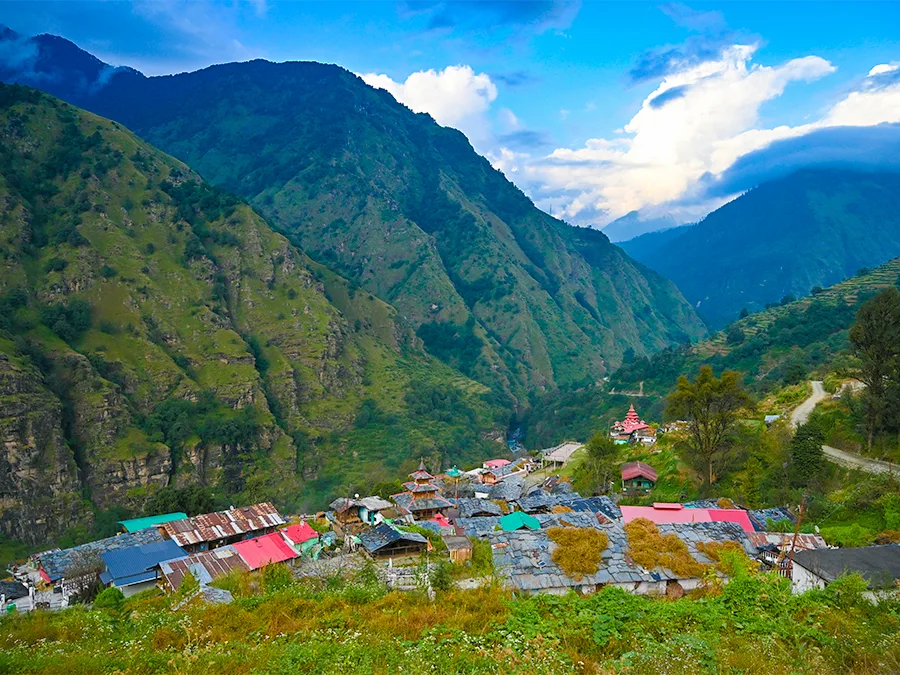
The Gulabi Kantha Trek is a beautiful and lesser-known winter trek in Uttarakhand that offers stunning landscapes and a peaceful mountain experience. Located near Mussoorie, this trek reaches an altitude of around 11,000 feet, taking you through dense forests, open meadows, and traditional Garhwali villages that reflect a slow and simple way of life.
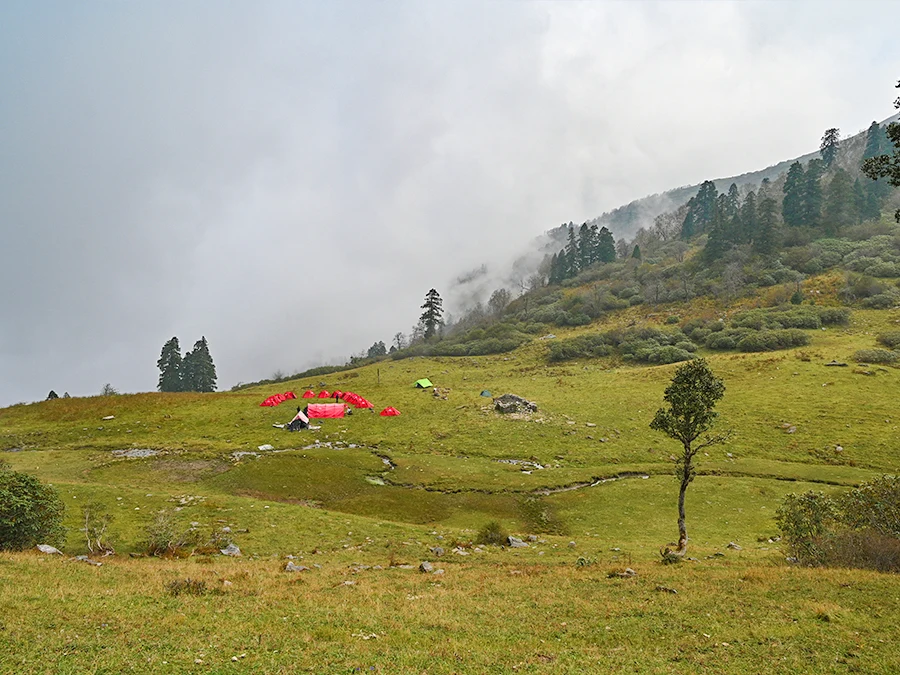
The trail passes through thick oak and rhododendron forests, which turn into enchanting snow-covered paths during winter. As you move higher, the landscape opens into wide alpine meadows that feel untouched and serene. Beautiful campsites appear along the route, each offering quiet surroundings and scenic views, making the journey as rewarding as the destination itself.
Typically completed in four to five days, Gulabi Kantha is ideal for trekkers looking for a short yet immersive Himalayan escape. One of the biggest highlights of this trek is its tranquility. Unlike popular trekking routes, it sees fewer visitors, allowing trekkers to connect more deeply with nature without crowds or noise.
The trek is considered moderate in difficulty, making it suitable for beginners with good fitness as well as experienced trekkers seeking a relaxed and scenic adventure. The gradual ascent and well-defined trails ensure a comfortable yet engaging trekking experience. Whether covered in pristine winter snow or offering clear mountain trails in other seasons, Gulabi Kantha promises a refreshing journey filled with natural beauty, calm surroundings, and lasting memories.
The Story Behind the Name Gulabi Kantha
The name Gulabi Kantha comes from the local Garhwali language, where “Gulabi” means pink and “Kantha” refers to a ridge or mountain shoulder. During the spring season, the slopes and forest sections of this trek are covered with blooming pink rhododendron flowers, giving the mountain a soft pink appearance. This natural pink hue is what inspired locals to call the region Gulabi Kantha.
Apart from its seasonal colors, the name also reflects the gentle and welcoming nature of the trek. Unlike harsher high-altitude climbs, Gulabi Kantha offers a balanced mix of beauty, calm landscapes, and approachable terrain, making it a memorable experience for trekkers who visit during the blooming months.
Trek Fee
₹7500 + 5% GST
Complete Package from Dehradun To Dehradun.
Optional: ₹500 Per Day Backpack Offloading - base
Trek Registration
Similar Treks
Roopkund trek
Uttarakhand
Kuari Pass trek
Uttarakhand
Brahmatal trek
Uttarakhand
Kedarkantha Trek
Uttarakhand
Vallley of Flower
Uttarakhand
Best Time to Visit
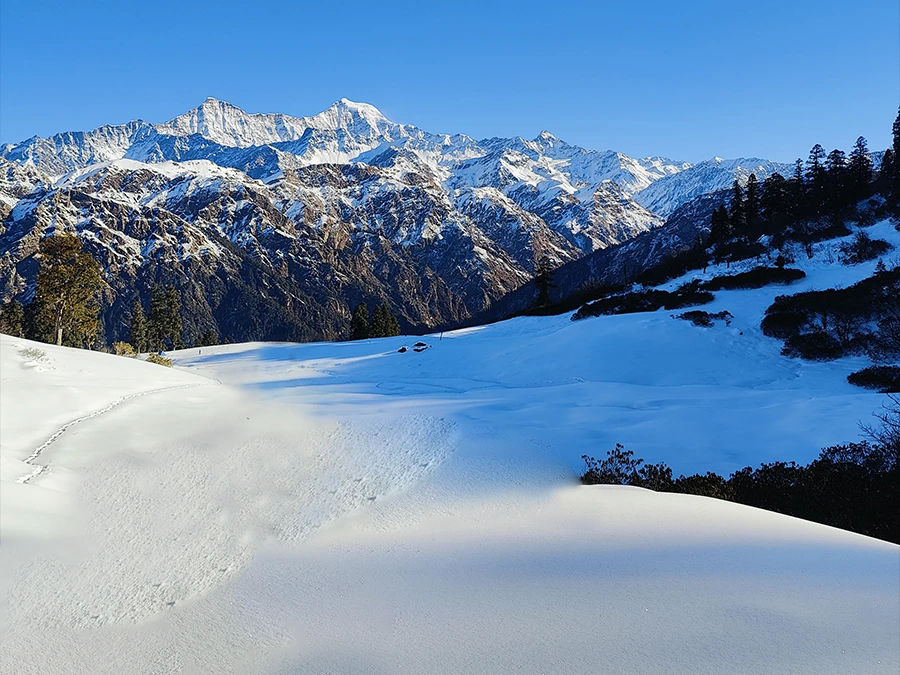
The best time to do Gulabi Kantha Trek depends on the experience you're seeking. Winter from December to March is the most popular season when heavy snowfall transforms the entire region into a white wonderland. The trails, forests, and meadows get covered in thick snow, creating stunning landscapes perfect for snow lovers. Daytime temperatures range from 5 to 10 degrees Celsius, while nights drop to minus 5 to minus 10 degrees Celsius. Clear winter skies offer the best visibility for mountain views, and the summit provides breathtaking panoramas of snow-covered Himalayan peaks.
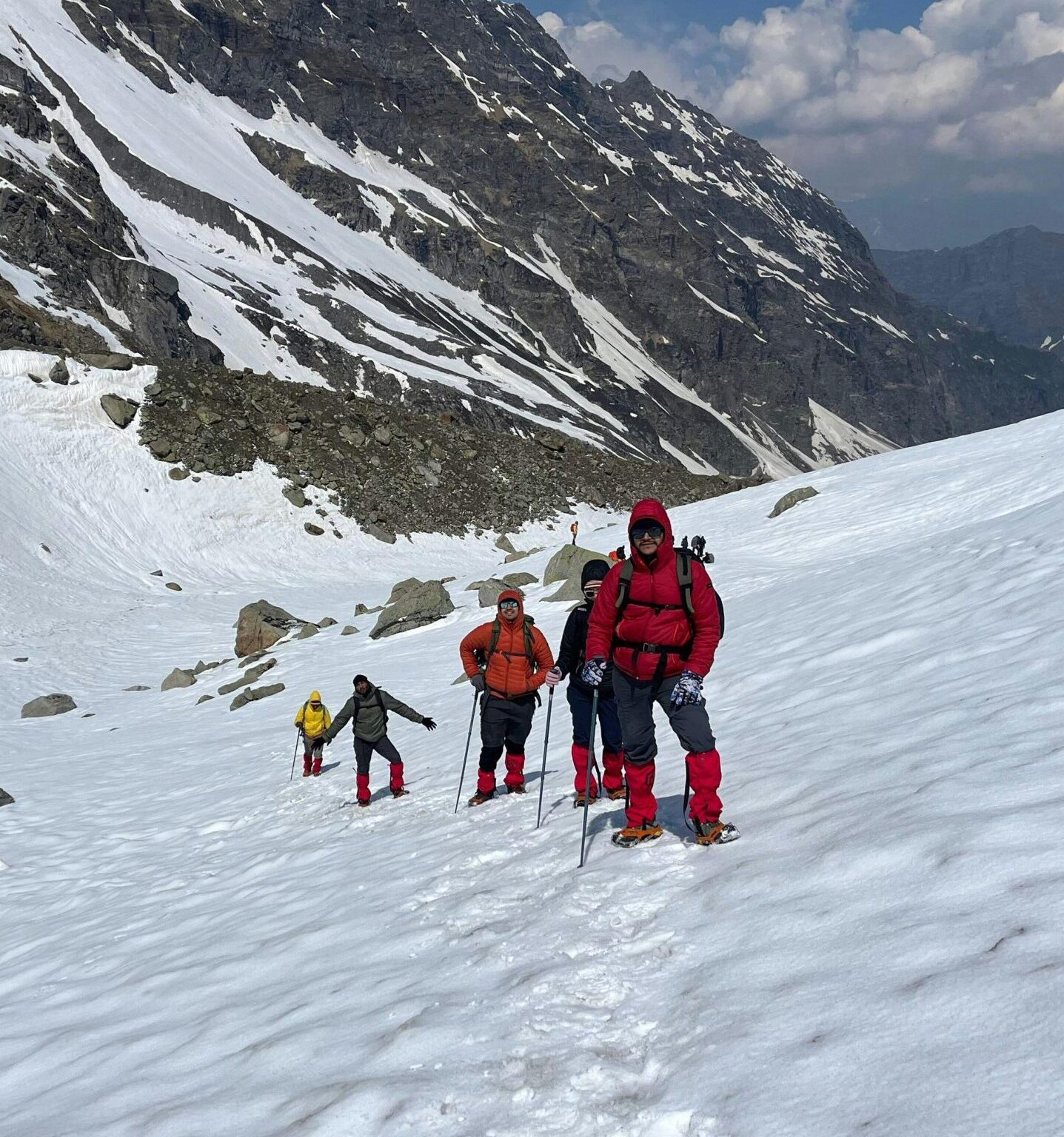
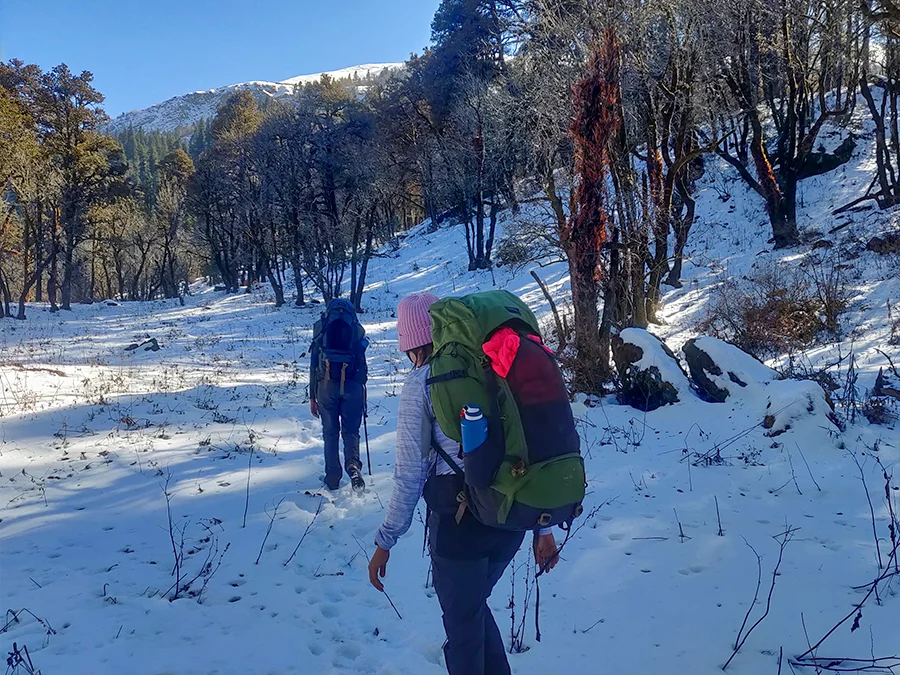
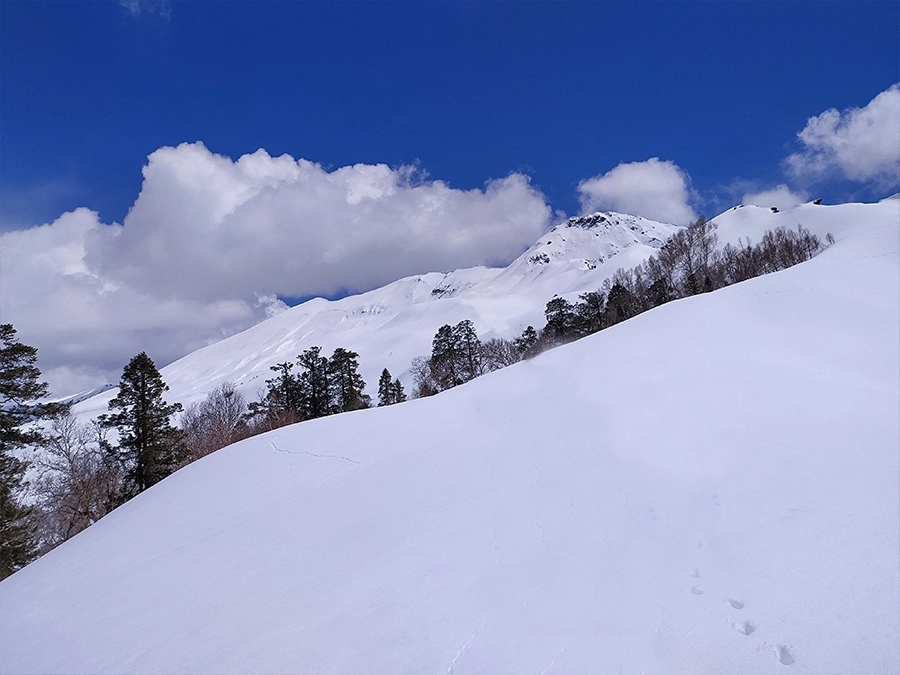
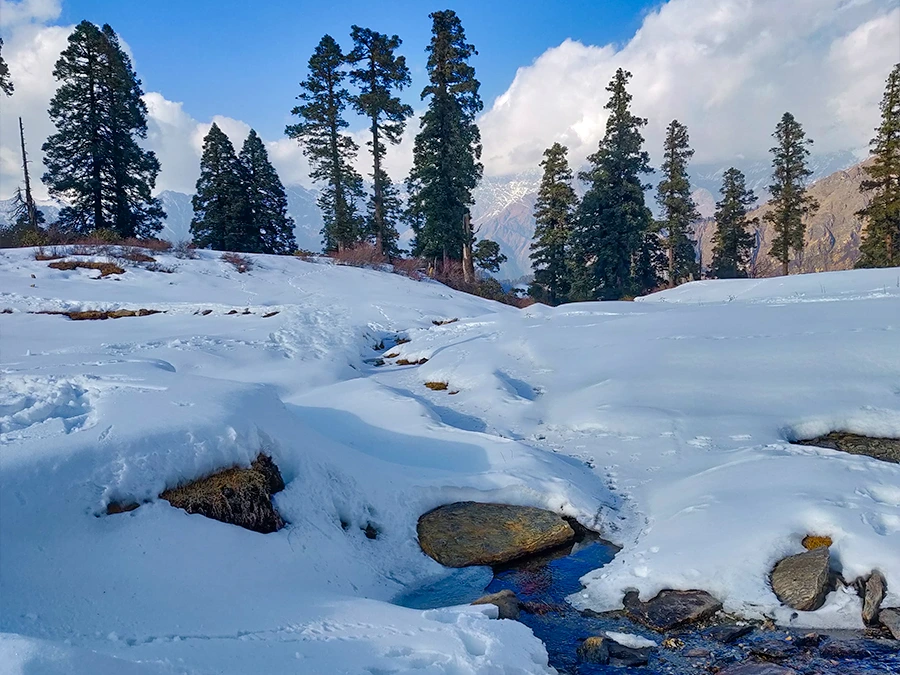
Winter transforms the Gulabi Kantha Trek into a breathtaking snow-covered landscape from December to March. Heavy snowfall blankets the entire trail, turning oak and rhododendron forests into serene white tunnels and open meadows into vast snowfields. The journey feels peaceful and immersive, with snow-laden trees, frozen streams, and crisp mountain air at every step.
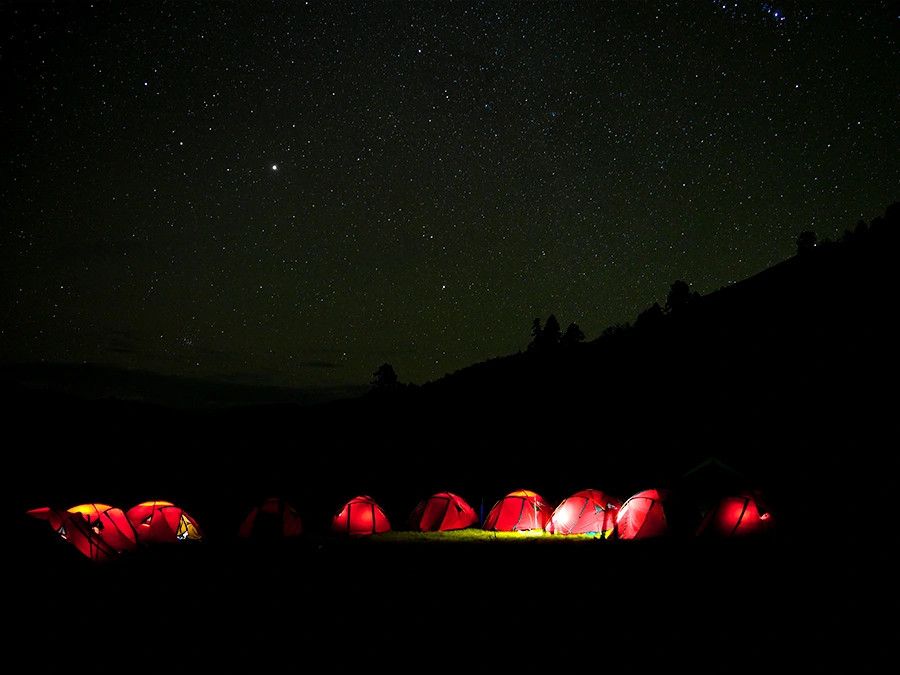
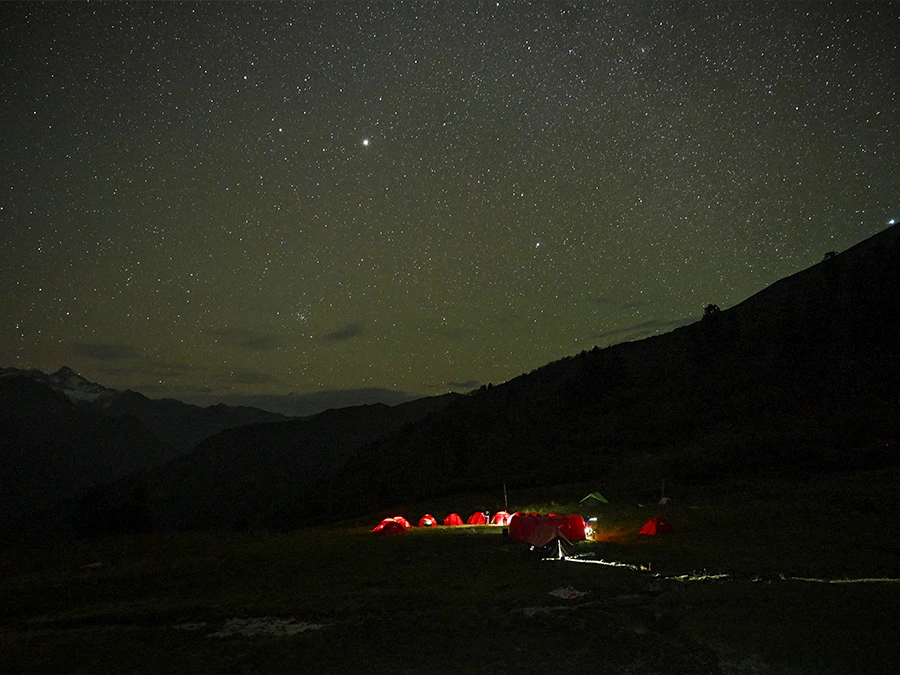
Walking through deep snow adds an exciting challenge, making the trek more rewarding for winter lovers. Night temperatures can drop below freezing, offering a true winter camping experience under clear, star-filled skies. With its moderate difficulty, stunning snowy scenery, and clear views of Himalayan peaks, Gulabi Kantha is an ideal winter trek for those seeking a memorable and authentic snow adventure.
Spring season from April to June is when Gulabi Kantha truly lives up to its name. The entire trek comes alive with vibrant pink rhododendron flowers blooming throughout the forests, creating stunning natural beauty along the trail. The name "Gulabi Kantha" means "Pink Throat," referring to these beautiful blooms that paint the landscape in shades of pink, red, and white. As winter snow melts, the meadows turn lush green dotted with colorful wildflowers including primulas, daisies, and various alpine species. The weather is pleasant and comfortable with daytime temperatures ranging from 15 to 20 degrees Celsius and cool nights around 5 to 10 degrees Celsius. Clear skies offer excellent visibility for mountain views, and the refreshing spring atmosphere makes trekking enjoyable without extreme cold.
Autumn from September to November provides ideal trekking conditions with stable weather and crystal-clear skies. After the monsoon rains, the air becomes crisp and fresh, offering the sharpest views of surrounding Himalayan peaks. The meadows retain their greenery from summer while the weather remains dry and predictable. Daytime temperatures are comfortable at 10 to 15 degrees Celsius, perfect for walking without overheating or freezing. The trails are dry and well-defined, making navigation easier.
Both seasons offer beautiful experiences without the challenges of deep snow, making them perfect for beginners or those preferring moderate weather conditions.
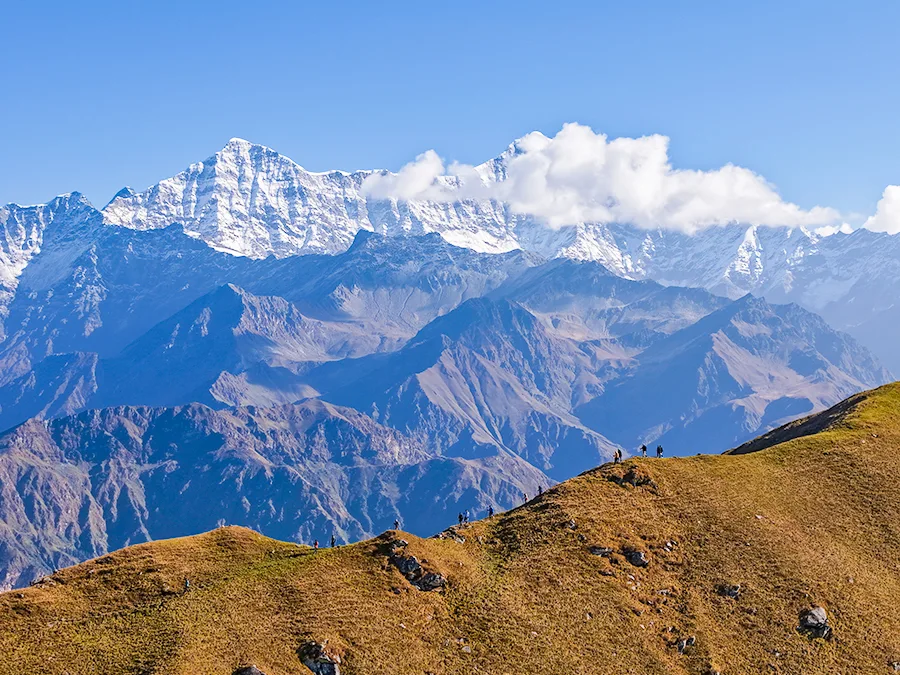
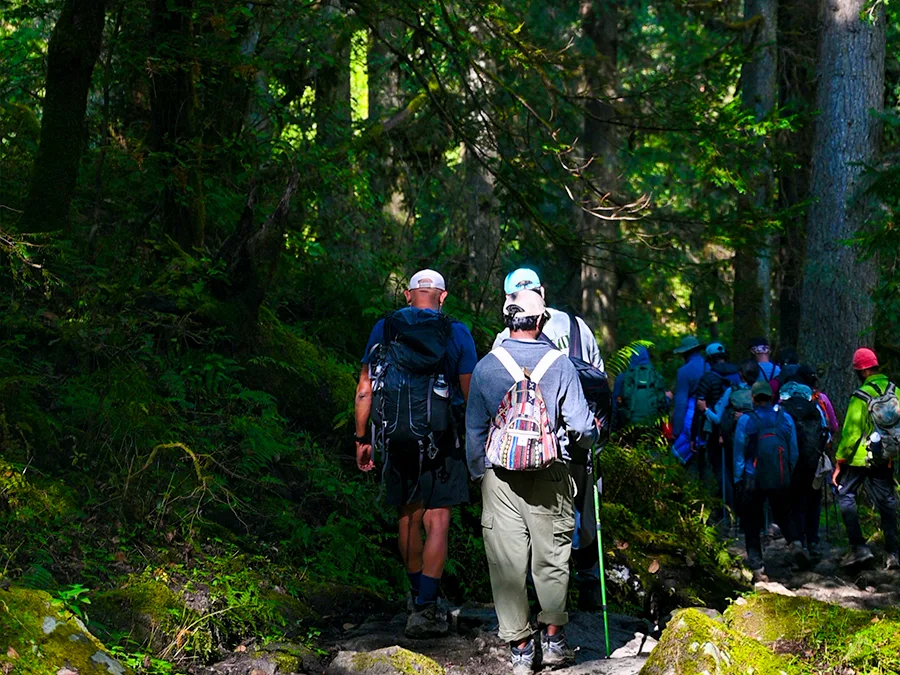
Through the Lens: Gulabi Kantha Trek Scenic Views
Trek Route & Itinerary
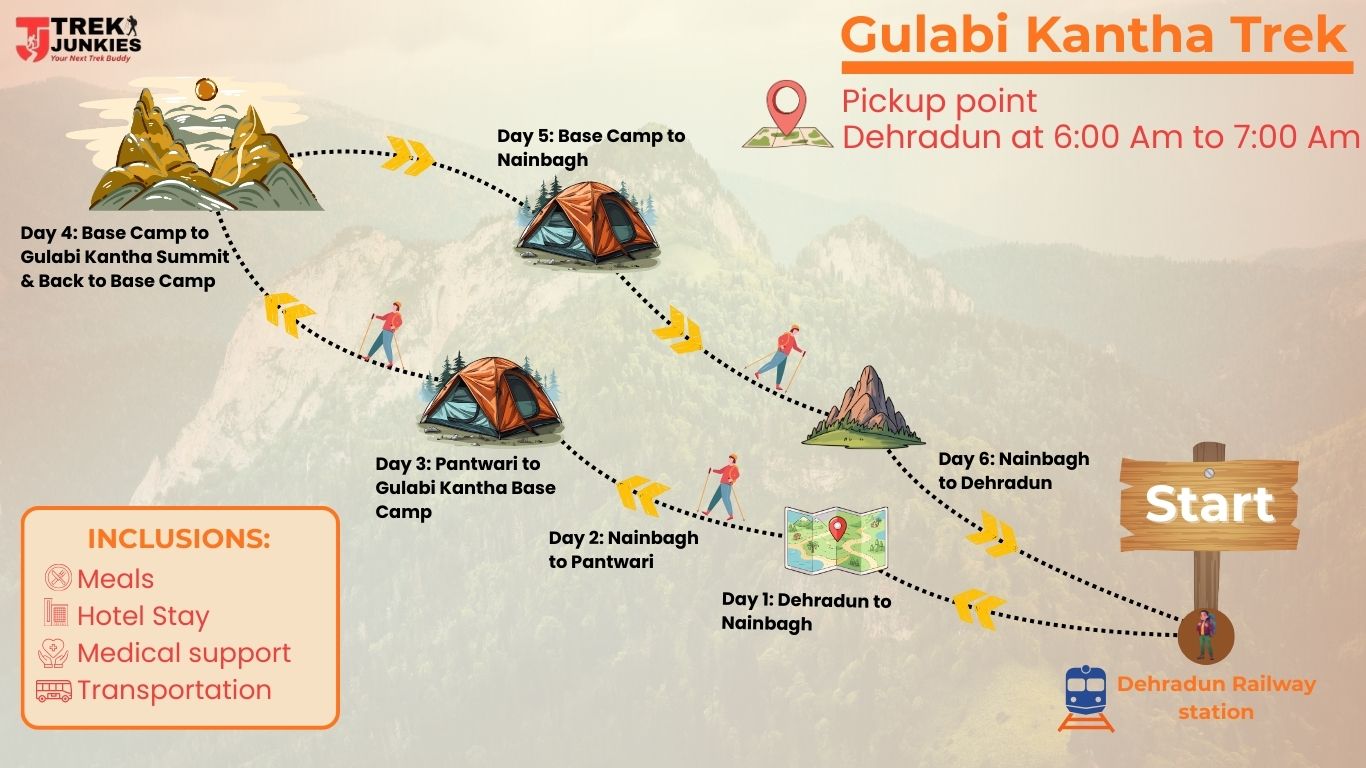
Detailed Day-Wise Gulabi kantha Trek Itinerary
Begin your journey with a scenic drive from Dehradun to Nainbagh village, the starting point of Gulabi Kantha Trek. The drive takes approximately 6 to 7 hours covering around 160 kilometers through beautiful mountain roads. You'll pass through Mussoorie and witness stunning views of the Garhwal hills along the way. Nainbagh sits at around 6,500 feet and is a peaceful village surrounded by terraced fields and forests. Spend the evening exploring the village, meeting locals, and preparing your gear for the trek ahead. Overnight stay in guesthouse or homestay.
Start your trek with a 10-kilometer walk through dense oak and rhododendron forests. The trail climbs gradually, gaining about 2,000 feet in altitude as you reach Pantwari village at 8,500 feet. The path takes approximately 5 to 6 hours passing through charming settlements and terraced fields. In spring, the rhododendron forests bloom with vibrant pink and red flowers creating beautiful pathways. The trail offers occasional glimpses of surrounding peaks through the trees. Pantwari is a traditional Garhwali village where you'll experience warm local hospitality. Set up camp near the village and enjoy the peaceful mountain atmosphere. Overnight stay in tents.
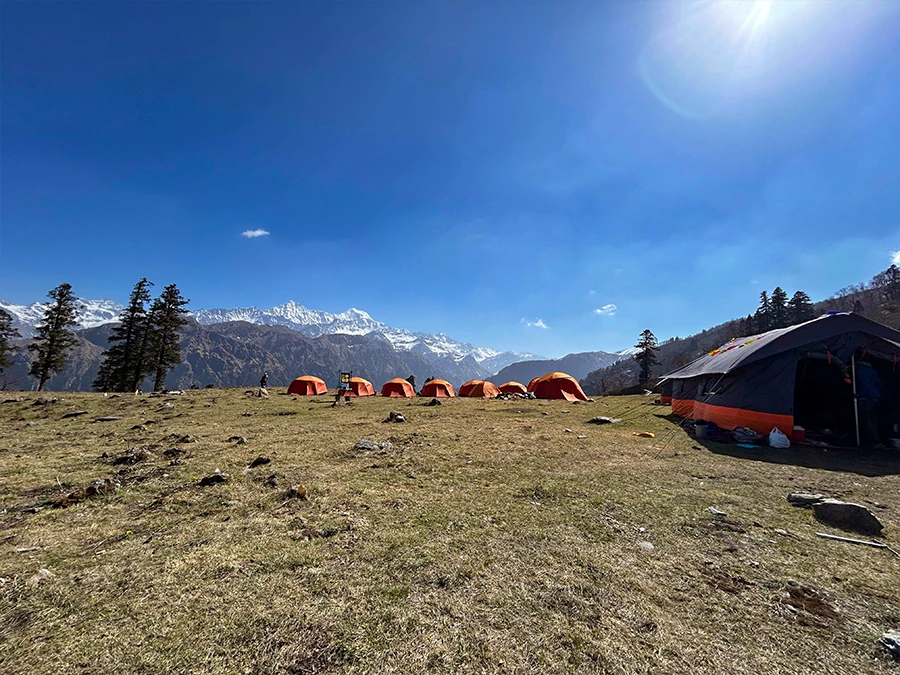
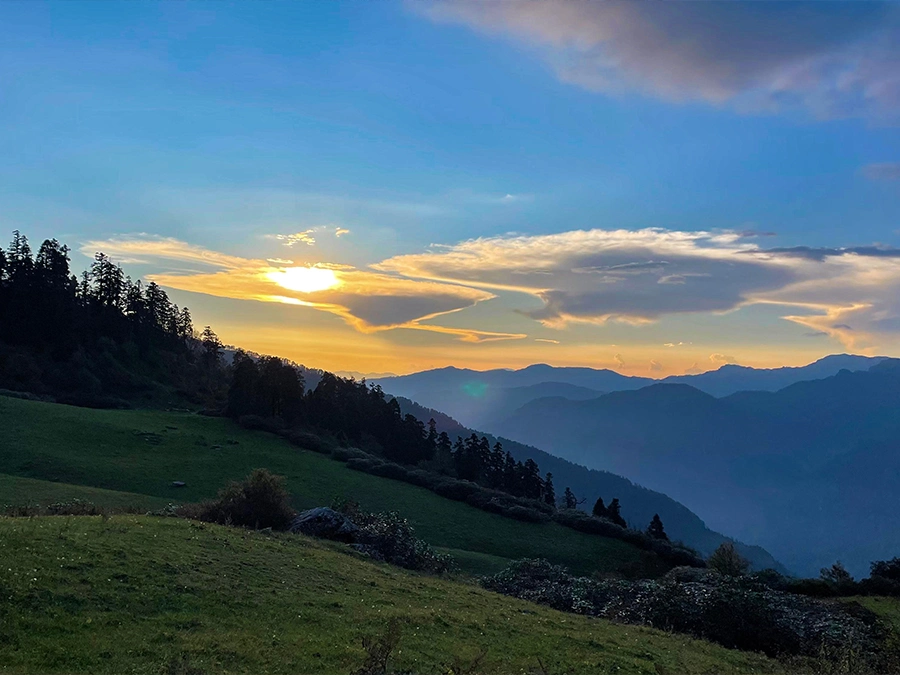
Today's trek takes you higher through changing landscapes. The 8-kilometer trek climbs steadily, gaining approximately 1,800 feet in altitude to reach the base camp at 10,300 feet. The walk takes about 5 to 6 hours passing through dense forests that gradually open into alpine meadows. In winter, these sections are covered in thick snow creating a winter wonderland. As you climb higher, the views start opening up with peaks like Swargarohini and Bandarpoonch appearing in the distance. The base camp is located in an open meadow area offering stunning sunset views of the Himalayan range. Overnight stay in tents.
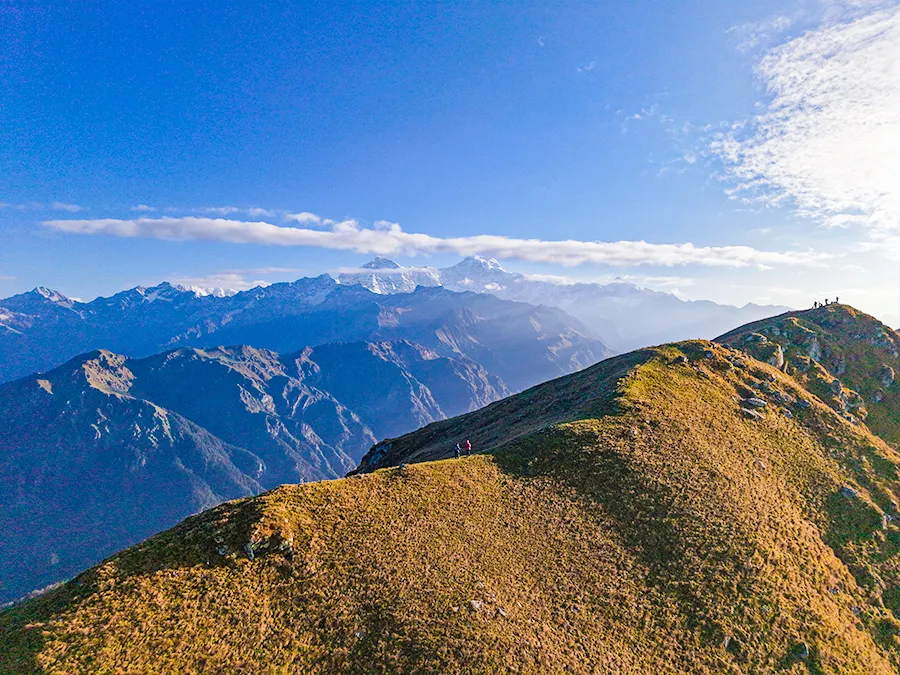
Summit day begins early with a pre-dawn start to catch the magnificent sunrise from the top. The 3-kilometer climb to Gulabi Kantha summit at 11,000 feet takes about 2 to 3 hours through snow-covered slopes in winter or grassy meadows in other seasons. The final approach involves gentle ridge walking with beautiful views on both sides. From the summit, enjoy breathtaking 360-degree panoramic views of Swargarohini, Bandarpoonch, Kala Nag, Black Peak, and the entire Gangotri range stretching endlessly across the horizon. The sunrise paints these peaks in brilliant shades of gold and orange creating magical moments. After spending time at the summit capturing photos and enjoying the views, descend back to base camp for breakfast. The descent takes about 1 to 2 hours. Spend the rest of the day relaxing at camp. Overnight stay in tents.
Begin your descent from base camp back to Nainbagh village. The 18-kilometer trek takes approximately 7 to 8 hours as you retrace your steps through the meadows, forests, and Pantwari village. Enjoy the last views of the mountains and take in the beauty of the rhododendron forests. The descent is gradual and gives you time to reflect on the wonderful journey. Arrive at Nainbagh by late afternoon and celebrate the successful completion of your trek. Overnight stay in guesthouse or homestay.
After breakfast, begin your return journey to Dehradun. The 160-kilometer drive takes about 6 to 7 hours through the scenic mountain roads passing through Mussoorie. Carry your memories and experiences of the beautiful Gulabi Kantha Trek as you head back. Reach Dehradun by evening where the trek officially ends.
Experience & Highlights
Gulabi Kantha Trek stands out for its stunning 360-degree mountain views that rival much more difficult treks. From the summit at 11,000 feet, you get breathtaking panoramas of major Himalayan peaks including Swargarohini, Bandarpoonch, Kala Nag, and the entire Gangotri range stretching endlessly across the horizon. These magnificent views are comparable to what you'd see on higher altitude treks, but Gulabi Kantha offers them at a more accessible elevation. The close proximity to Mussoorie makes it incredibly convenient, allowing you to reach the trek starting point easily from major cities without spending days on travel.
What truly makes this trek special is its peaceful, uncrowded nature. Unlike popular routes packed with hundreds of trekkers, Gulabi Kantha remains a hidden gem where you can enjoy solitude and connect deeply with nature. The trail takes you through beautiful Garhwali villages where locals welcome you with warm hospitality and share glimpses of authentic mountain life. The combination of dense forests, open meadows, traditional villages, and spectacular summit views creates diverse experiences throughout the journey.
The trek offers perfect balance—challenging enough to feel rewarding but not so difficult that it becomes exhausting. Whether you come for winter snow or spring rhododendrons, Gulabi Kantha delivers natural beauty, cultural richness, and peaceful mountain experiences that create lasting memories.
Gulabi Kantha Trek offers spectacular highlights that make every moment memorable. The summit at 11,000 feet provides breathtaking 360-degree views of major Himalayan peaks including Swargarohini, Bandarpoonch, Kala Nag, and the Gangotri range. The sight of these snow-covered giants stretching across the horizon is absolutely stunning. In spring, the pink rhododendron forests create magical pathways filled with vibrant blooms. Traditional Garhwali villages like Nainbagh and Pantwari give you authentic glimpses of mountain life with their stone houses, terraced fields, and friendly locals who warmly welcome trekkers.
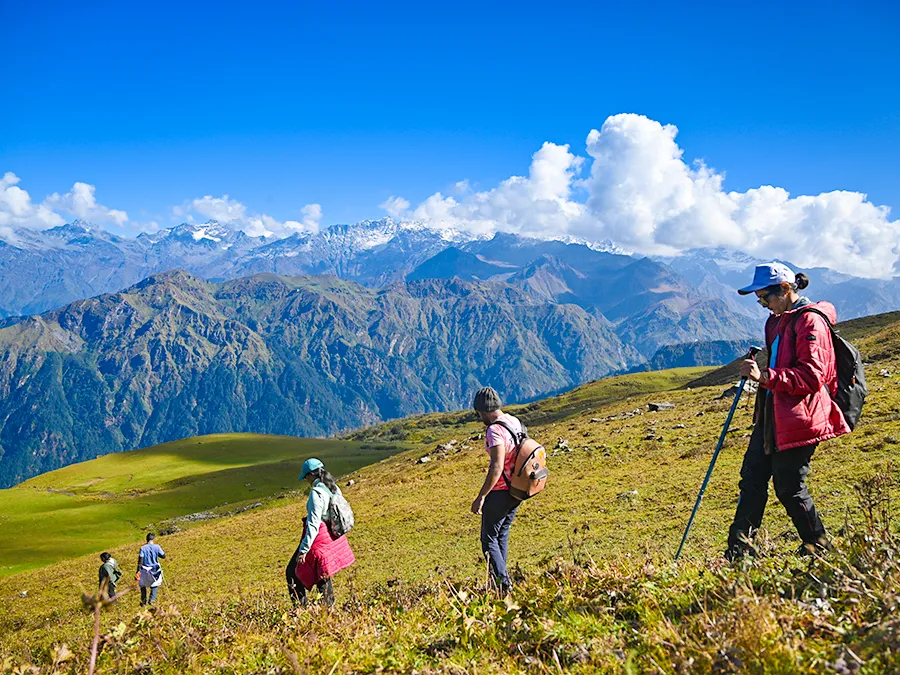
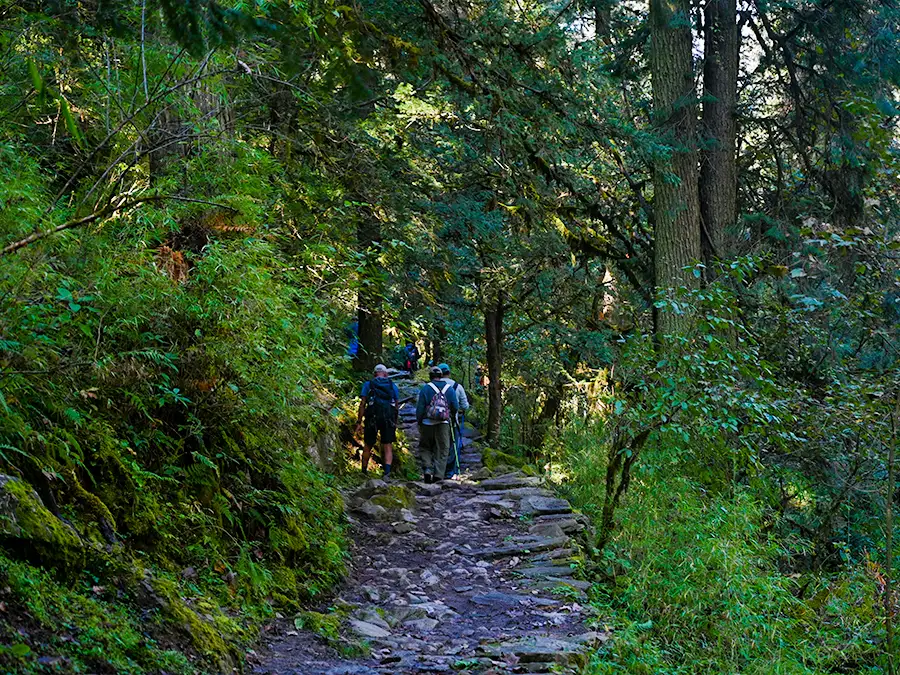
The scenic beauty changes beautifully as you gain altitude through diverse landscapes. You start walking through dense oak and rhododendron forests where tall trees create natural canopies and sunlight filters through in golden rays. The trail opens into vast meadows that are green in summer, covered with wildflowers in spring, and transformed into white snow fields in winter. Small streams flow through the forests, and campsites are positioned at spots offering stunning sunrise and sunset views with mountains glowing in brilliant colors.
Every section reveals new natural wonders—bird songs echoing through quiet forests, butterflies dancing among flowers in spring, and pristine snow creating peaceful white landscapes in winter. The combination creates a visual paradise throughout the journey.
Gulabi Kantha Trek takes you through rich forests filled with diverse plant life. Dense oak, rhododendron, and deodar trees dominate the lower sections, creating beautiful green canopies in summer and snow-covered wonderlands in winter. The rhododendron forests are the highlight, especially in spring when they bloom in vibrant shades of pink, red, and white, giving the trek its name "Gulabi Kantha" meaning "Pink Throat." You'll also see pine and birch trees along the trail. The meadows are covered with alpine grasses and various wildflowers including primulas, daisies, and buttercups during blooming season. Medicinal herbs and shrubs grow naturally throughout the region.
Wildlife sightings add excitement to the trek, though animals are generally shy and avoid trekkers. The forests are home to Himalayan birds like monals, woodpeckers, jays, and various thrushes. You might spot langurs jumping between trees or hear their calls echoing through the forest. The region also has leopards, bears, and deer, though they rarely appear near trekking routes and are mostly active at night.
The Himalayan views are the true stars of this trek. From various points and especially the summit, you get magnificent sights of Swargarohini, Bandarpoonch, Kala Nag, and the Gangotri range, their snow-covered peaks creating an inspiring backdrop throughout your journey.
Difficulty & Fitness
Gulabi Kantha Trek is classified as easy to moderate, making it suitable for beginners with basic fitness and experienced trekkers looking for a relaxed journey. The trek reaches 11,000 feet altitude, which is manageable for most people. Daily walking distances are reasonable with 4 to 6 hours of trekking, and the trail has gradual ascents without extremely steep sections.
Winter trekking increases difficulty due to snow and cold temperatures. Walking through snow requires more energy, and nights can drop to minus 10 degrees Celsius. Spring and autumn seasons offer easier conditions with clear, dry trails and pleasant weather.
With basic preparation and reasonable fitness, most people can comfortably complete Gulabi Kantha Trek and enjoy the beautiful mountain experience.
Yes, Gulabi Kantha Trek is suitable for beginners with basic fitness levels. The moderate altitude of 11,000 feet and gradual ascent make it easier compared to high-altitude treks. The well-marked trail and reasonable daily distances of 4 to 6 hours allow beginners to complete the trek comfortably without extreme physical strain.
During spring and autumn, the trek becomes even more beginner-friendly with pleasant weather and clear trails. Winter trekking is slightly more challenging due to snow but still manageable for first-timers who are willing to push themselves and come properly prepared with warm gear.
With two to three weeks of basic fitness preparation including daily walking and light cardio, beginners can successfully complete this trek and enjoy their first Himalayan adventure.
Basic to moderate fitness is required for Gulabi Kantha Trek. You should be able to walk continuously for 4 to 6 hours daily while carrying a light backpack. The trek involves gradual uphill climbs that require decent leg strength and cardiovascular endurance. Being able to walk 5 to 6 kilometers comfortably without exhaustion is a good fitness indicator.
Start preparing two to three weeks before your trek. Focus on daily walking or jogging for 30 to 45 minutes to build stamina. Practice climbing stairs and uphill walks to strengthen your legs. Include basic stretching exercises to improve flexibility and prevent muscle soreness during the trek.
Winter trekking demands slightly better fitness due to walking through snow. Overall, moderate preparation with regular physical activity is sufficient for enjoying this trek comfortably.
Preparation Guide
Pack proper layered clothing for changing mountain weather. Carry thermal innerwear, fleece jacket, and waterproof outer layer for protection against cold and wind. Bring quick-dry trekking pants, at least three pairs of woolen socks, warm gloves, and a beanie. A down jacket is essential for winter treks when temperatures drop significantly at night.
Essential gear includes a sturdy backpack with rain cover, trekking poles for balance on slopes, water bottle, sunglasses, and high SPF sunscreen. Pack a headlamp with extra batteries, basic first-aid kit with personal medicines, energy bars, and dry fruits for quick energy boosts on the trail.
Other important items include toiletries, quick-dry towel, ID proof, permits, and some cash. A camera or phone with good battery and power bank helps capture beautiful views.
Wear comfortable layered clothing to handle changing temperatures throughout the day. Start with thermal innerwear as your base layer for warmth, add a fleece jacket for insulation, and top it with a waterproof windproof jacket as your outer layer. This three-layer system lets you add or remove clothing based on weather conditions and your body temperature while trekking.
For lower body, wear quick-dry trekking pants that are comfortable for long walks. Avoid jeans completely as they're uncomfortable and don't dry quickly. Wear thermal leggings underneath during winter for extra warmth. Bring at least three pairs of good quality trekking socks to keep feet warm and prevent blisters.
Essential accessories include a warm beanie covering your ears, insulated gloves, and proper trekking shoes with ankle support and strong grip for snowy or rocky terrain.
Safety should always be your priority while trekking in the mountains. Stay hydrated by drinking plenty of water throughout the day, even in cold weather. Walk at a steady, comfortable pace and avoid rushing to prevent exhaustion and altitude issues. Always follow your trek leader's instructions and stay with the group instead of wandering alone. Inform your guide immediately if you feel unwell, dizzy, or experience any breathing difficulties.
Prepare physically before the trek by starting light training two to three weeks in advance. Carry all essential items including sunscreen, lip balm, and a basic first-aid kit. Keep your phone charged with emergency contacts saved, though network coverage may be limited in remote areas.
Respect the environment by not littering and carrying back all your waste. Be kind to local villagers and respect their customs. Trek during daylight hours and set up camp before sunset.
Stay, Food & Facilities
You will stay in our cozy guesthouses at base villages and comfortable alpine tents at campsites with basic facilities and sleeping arrangements provided.
You will be provided nutritious vegetarian meals including breakfast, lunch, dinner, and evening snacks. Hot soups and tea served at campsites to keep you energized.
In case of any emergency our experienced trek leader carries first-aid kits, oxygen cylinders, and emergency communication devices. Regular health checks ensure trekker safety throughout the journey.
How to Reach Gulabi Kantha Trek
Simply reach Dehradun, and leave the logistics to us. We organize transport from the designated pickup point directly to the base camp. Enjoy a hassle-free, scenic drive through the mountains.
The nearest railway station is Dehradun, which is well-connected to major cities like New Delhi. Simply book your tickets to Dehradun; once you arrive, our team will receive you at the station or designated meeting point to commence the journey to the base camp.
The nearest airport is Jolly Grant Airport in Dehradun, which has regular flights from Delhi and other major cities. Once you land, simply take a taxi to the designated meeting point in Dehradun city. From there, we will pick you up and manage the entire journey to the base camp.
Cost & Inclusions
Trek packages range from ₹6,000 to ₹12,000 per person, including accommodation, meals, guide, permits, and transportation from Dehradun to base camp.
Personal expenses, travel insurance, porter charges for personal bags, additional meals in Dehradun, tips, and any items not mentioned in inclusions.
Personal expenses, travel insurance, porter charges for personal bags, additional meals in Dehradun, tips, and any items not mentioned in inclusions.
Permissions & Guidelines
Forest permits and camping permissions mandatory. Trek operators arrange all necessary permits from Uttarakhand Forest Department. Carry valid ID proof for verification.
Why You Should Choose Gulabi Kantha Trek with Us
01
Experienced Guides & Safety First
Our certified trek leaders with 10+ years of experience ensure your safety with proper acclimatization, emergency protocols, and expert navigation throughout the journey.
02
Local Expertise
Our team belongs to these mountains, growing up walking these trails. Their deep understanding of local weather, culture, and hidden spots makes your trek experience richer and more authentic.
03
24/7 Support & Assistance
Round-the-clock support team available for queries, emergencies, and assistance. Stay connected with base camp throughout your trek for complete peace of mind.
Similar Treks
Kedarkantha Trek
Roopkund Trek
Brahmatal Trek
Kuari Pass Trek
Frequently Asked Questions
Snowfall is not completely guaranteed on Gulabi Kantha Trek, but your chances depend heavily on when you visit. During winter months from December to March, the entire trekking route is usually covered in thick snow from previous snowfall, and fresh snowfall is very common during this period. You'll almost certainly walk on snow-covered trails, camp in snowy meadows, and experience the white winter landscape throughout your journey. However, whether you witness actual snowfall during your trek depends on specific weather conditions that vary from day to day and week to week. Some winter batches experience heavy snowfall creating magical moments, while others trek through clear weather with just the existing snow cover on the ground.
During spring from April to June, snowfall becomes less predictable and less likely. The lower sections are usually snow-free as temperatures rise and snow melts. You might still find some snow patches at higher altitudes, especially in early April, but fresh snowfall is uncommon during these months. The focus shifts to green meadows and blooming rhododendrons rather than snow.
If experiencing fresh snowfall and walking through deep snow is important to you, plan your trek during peak winter months of January and February when chances are highest. Winter trekking guarantees a snowy landscape even if you don't see actual snowfall, giving you the complete winter trekking experience with beautiful white surroundings throughout the journey.
Yes, beginners can definitely do Gulabi Kantha Trek as it's one of the more beginner-friendly Himalayan treks. The moderate altitude of 11,000 feet, gradual ascent, and well-marked trails make it accessible for first-time trekkers with basic fitness. The trek doesn't require any technical skills or previous mountain experience, and daily walking distances are manageable at 4 to 6 hours.
During spring and autumn, the trek becomes easier for beginners with pleasant weather and clear trails. Winter adds some challenge with snow and cold, but motivated beginners who prepare properly can still complete it successfully with determination and proper gear.
With two to three weeks of basic fitness training and trekking with an experienced guide, beginners can comfortably enjoy this beautiful trek.
Yes, Gulabi Kantha Trek is safe in winter when done with experienced guides and proper preparation. The moderate altitude and well-established trail make it safer compared to extreme high-altitude winter treks. Professional trekking companies provide trained guides who understand winter conditions, carry safety equipment, and choose secure campsites protected from harsh weather and potential hazards.
Winter does require extra caution with proper warm clothing, good trekking shoes with strong grip for snowy trails, and awareness of cold weather risks. Temperatures drop to minus 10 degrees Celsius at night, so quality gear is essential. Weather can change quickly, so always follow your guide's advice and instructions.
Trek with a reputable company, come prepared with appropriate winter equipment, and follow safety guidelines for a safe and enjoyable winter experience.
Temperature on Gulabi Kantha Trek varies significantly by season and time of day. During winter from December to March, daytime temperatures range from 5 to 10 degrees Celsius when the sun is out. Nights are much colder with temperatures dropping to minus 5 to minus 10 degrees Celsius, especially at higher campsites near the summit.
In spring and autumn from April to June and September to November, the weather is milder and more comfortable. Daytime temperatures range from 15 to 20 degrees Celsius, making trekking pleasant. Nights are cool at 5 to 10 degrees Celsius but not freezing like winter.
Wind chill at exposed sections can make it feel colder than actual temperatures. Always pack warm layers regardless of season for comfortable trekking experience.