
Kalindi Khal Pass Trek
The Ultimate Winter Wonderland of Uttarakhand
Experience snow-covered trails, pine forests & 360° Himalayan views
Kalindi Khal Pass Trek at a Glance

Challenging
Trek Difficulty

15 Day
Trek Duration
19,520 FT
Altitude

Suitable For
15-50 years
Trek distance
99 km

Base Camp
Gangotri

Stay
Tents

Region
Uttarakhand

Pick up
Dehradun

Drop off
Dehradun

Cloakroom
Available

Off loading
Available
Challenging
Trek Difficulty
15 Days
Trek Duration
19,520 FT
Altitude
Suitable For
15-50 years
Stay
Tents
Region
Uttarakhand
Pick up
Dehradun
Drop off
Dehradun
Trek distance
99 km
Base Camp
Gangotri
Cloakroom
Available
Off loading
Available
What Trekjunkies say about Kalindi Khal Pass Trek
Gulabi Kantha taught me patience—the steady climb and silent forests forced me to slow down and listen to my breath, thoughts, and the mountains around me. I learned that not every journey is about rushing to the top; sometimes it's about syncing with nature's pace and finishing physically tired but mentally clear.
Shubham Singh
UI/UX Engineer

Gulabi Kantha pushed me beyond my comfort zone and taught me to trust my body and stay mentally strong even when doubt crept in during long ascents. This trek showed me that real strength isn't loud—it's steady, quiet, and found in finishing each day with unexpected self-belief.
Payal Sharma
Digital Marketer
Kalindi Khal Pass Trek: The Everest of Treks.
The Kalindi Khal Pass Trek is not just a hike; it is the ultimate badge of honor for anyone who loves the mountains. Known as the “Everest of Treks,” this journey takes you to a staggering altitude of nearly 6,000 meters, connecting the two holy sites of Gangotri and Badrinath. This isn’t your average trail with green meadows and easy paths. Instead, you will be walking through a world of massive glaciers, deep crevasses, and towering peaks that seem to touch the stars. If you have ever dreamed of standing in the middle of the world’s highest wilderness, where the air is thin and the views are endless, this is where you belong.
What makes this trek truly special is the raw beauty you encounter every single day. Imagine waking up to the sight of legendary peaks like Shivling, Meru, and Bhagirathi standing right in front of you. You will navigate the massive Gangotri Glacier, a giant river of ice that feels like a different planet altogether. The silence here is powerful, broken only by the sound of your boots on the snow. It is a physical and mental challenge that tests your grit, but every difficult step is rewarded with a landscape so stunning it feels like a dream. It’s a rare chance to see the Himalayas in their most honest and untouched form.
Reaching the top of the pass is a moment you will never forget for the rest of your life. Standing at the summit of Kalindi Khal, you feel like you are on top of the world, looking down at the vast Garhwal range stretching out in every direction. The sense of achievement is overwhelming—you have conquered one of the toughest routes on Earth. From the high-altitude lakes like Vasuki Tal to the final descent into the sacred town of Badrinath, every mile tells a story of courage and wonder. If you are ready to push your limits and witness the true majesty of the Himalayas, the Kalindi Khal Pass is waiting for you.
A High-Altitude Odyssey Through the Heart of Great Glaciers
There is a specific kind of silence that you only find deep within the Himalayan glaciers. On the route to Kalindi Khal, the modern world disappears completely, replaced by the rhythmic crunch of crampons on ancient ice. This journey isn’t about checking a destination off a list; it’s about entering a high-altitude wilderness where the landscape feels alive. As you navigate the massive Gangotri Glacier, you aren’t just a spectator—you become part of a vast, frozen world that has remained unchanged for centuries.
The terrain here is beautifully demanding. One day you are trekking through boulder-strewn moraines, and the next, you are camped beside the emerald waters of Vasuki Tal, watching the sunset hit the sharp ridges of Mount Shivling. There is something deeply humbling about sleeping in a tent at 5,000 meters, surrounded by peaks that have inspired explorers and sages for generations. The thin air and the physical effort required to move forward create a sense of focus that you rarely find in everyday life, turning the trek into a moving meditation.
Standing at the crest of the pass, the view opens up into a panoramic masterpiece of the Garhwal range. The transition from the icy world of Gangotri to the rugged descent toward Badrinath feels like traveling between two different chapters of a grand epic. It is a grueling, beautiful, and deeply personal experience. By the time you reach the end of the trail, the heavy pack and the cold nights seem like a small price to pay for the clarity and perspective you’ve gained among the giants.
Trek Fee
₹7500 + 5% GST
Complete Package from Dehradun To Dehradun.
Optional: ₹500 Per Day Backpack Offloading - base
Trek Registration
Similar Treks
Roopkund trek
Uttarakhand
Kuari Pass trek
Uttarakhand
Brahmatal trek
Uttarakhand
Kedarkantha Trek
Uttarakhand
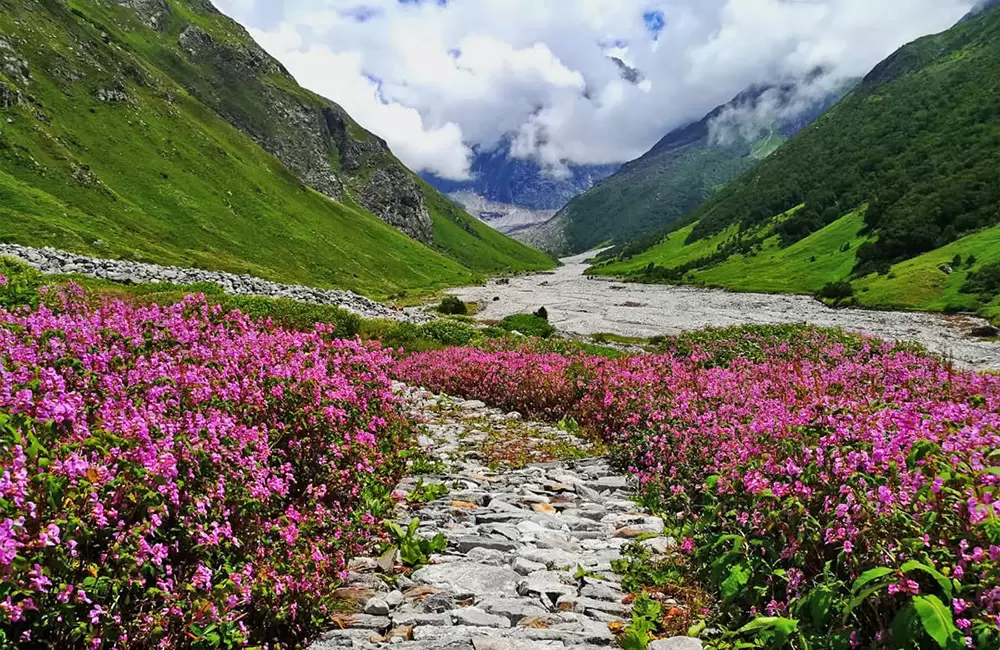
Vallley of Flower
Uttarakhand
Best Time to Visit
In the early summer months, the heavy winter snow begins to settle, creating firm paths over the massive glaciers. This is the perfect time for those who want to experience the high-altitude world in its most iconic, snowy form while the weather remains stable. As the monsoon clears in September, the atmosphere becomes incredibly sharp, offering the most pristine, long-distance views of the surrounding giants like Shivling and Satopanth. The air is crisp, the skies are a deep, brilliant blue, and the treacherous crevasses are often easier to spot, making for a safer and more visually stunning crossing.
While the Kalindi Khal Pass is usually a summer or autumn journey, the winter months transform the approach into a surreal, white kingdom. This season is for those who find peace in the deep chill and the sight of endless, untouched snow. The massive glaciers become even more imposing, covered in a thick blanket of frost that sparkles under the harsh Himalayan sun. The crowds vanish completely, leaving you in a silent world of ice and granite.
It is a demanding time where the air is biting and the nights are incredibly cold, but the rewards are unmatched. The views of the surrounding peaks are at their sharpest, standing out against a pale winter sky. If you are a seasoned explorer who dreams of navigating a true frozen wilderness where the earth feels completely still, a winter foray into the lower reaches of this route is an experience like no other.
Each season paints a different face on the Kalindi Khal trail. Spring (May to June) is the season of transformation. As the winter snow starts to melt, the lower valleys awaken with life, while the high-altitude glaciers remain draped in white. It is the best time for those who want to experience the thrill of walking on thick snow under a warm, golden sun.
Autumn (September to October) offers a completely different vibe. After the monsoon rains, the dust is gone, leaving the air incredibly thin and the views of the peaks razor-sharp. The sky turns a deep, royal blue, and the glaciers become more manageable as the snow recedes, revealing the true, rugged textures of the mountain. It is a season of clarity, perfect for photographers and trekkers who want to see the Himalayas in their most magnificent and detailed form.
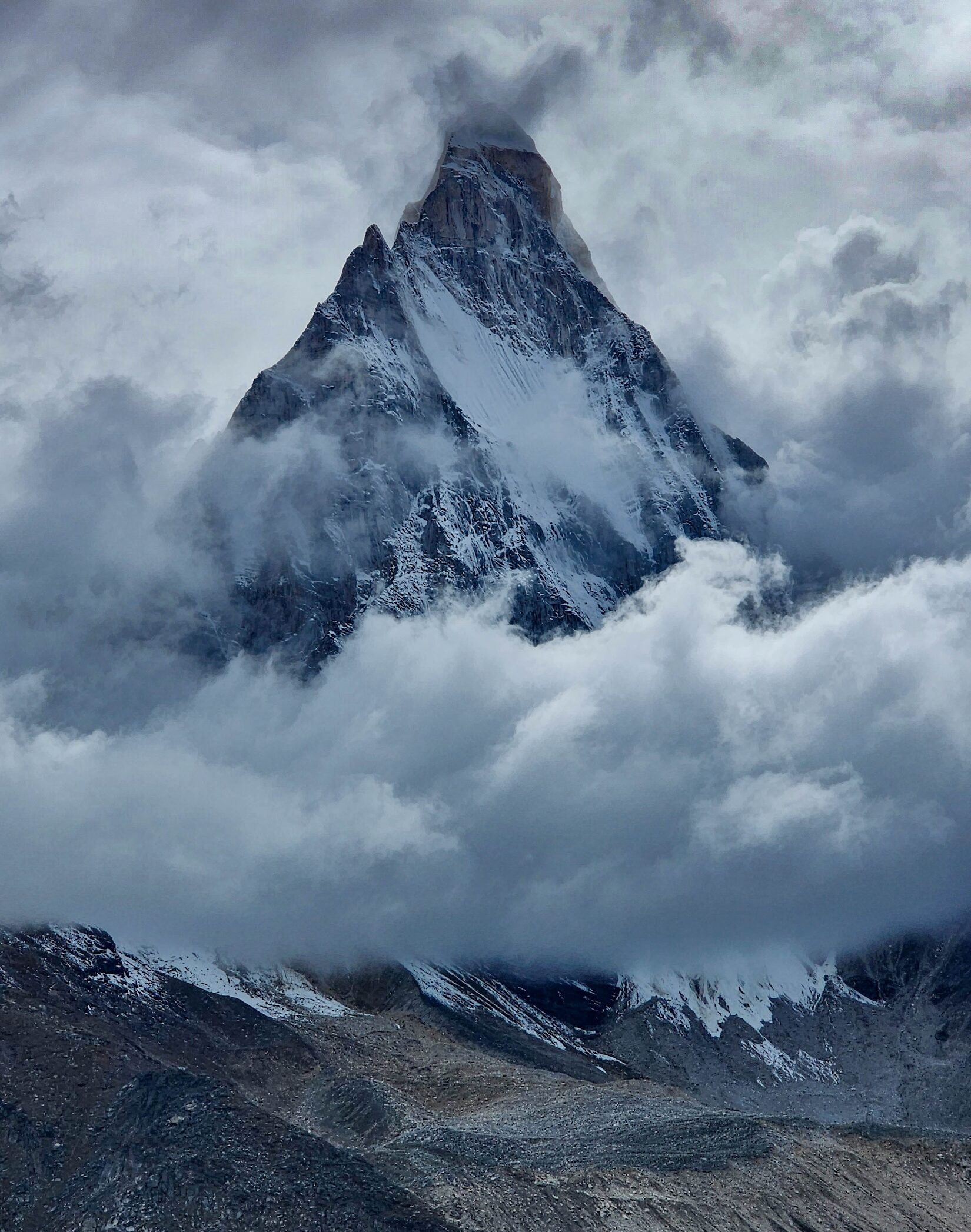
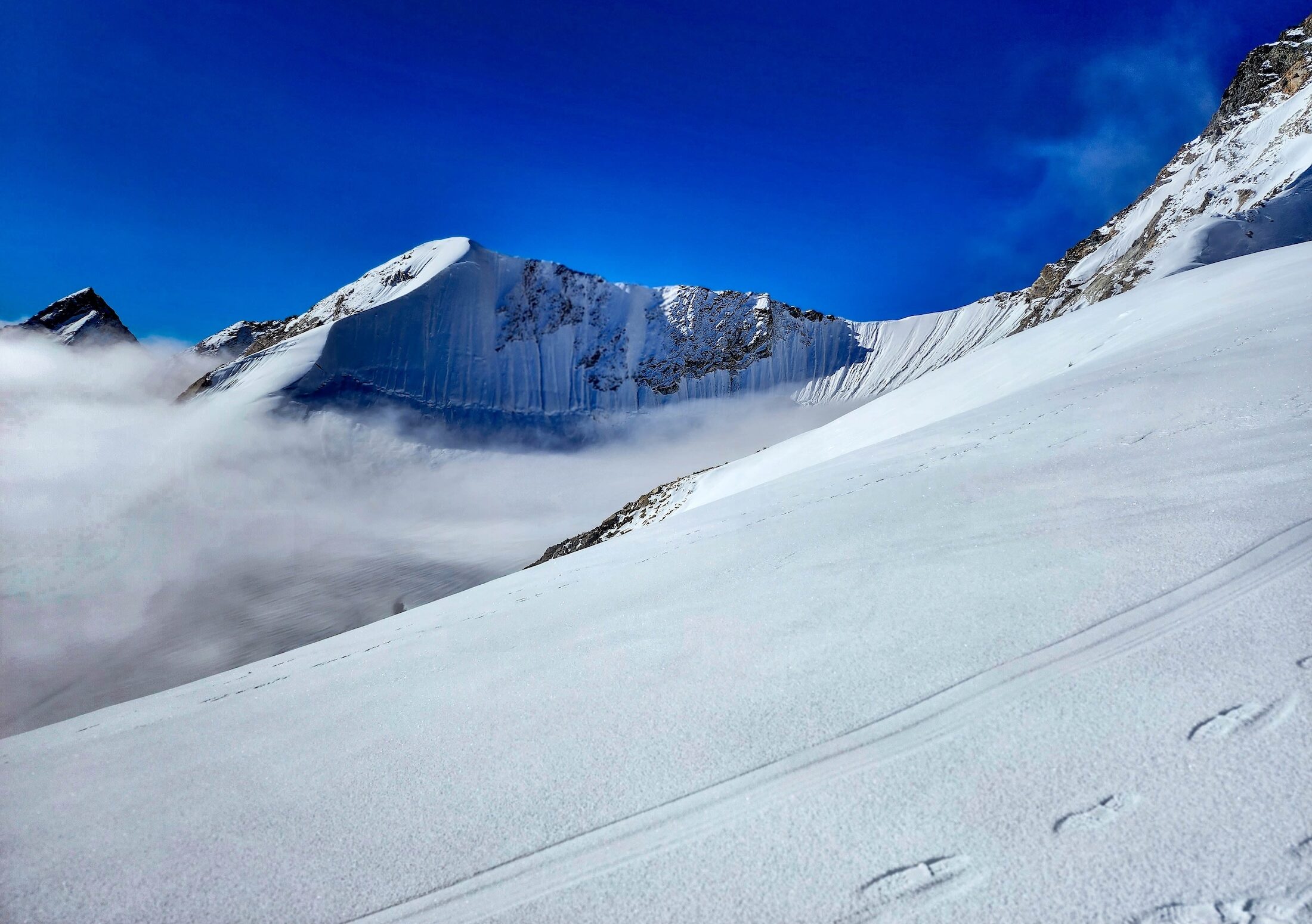
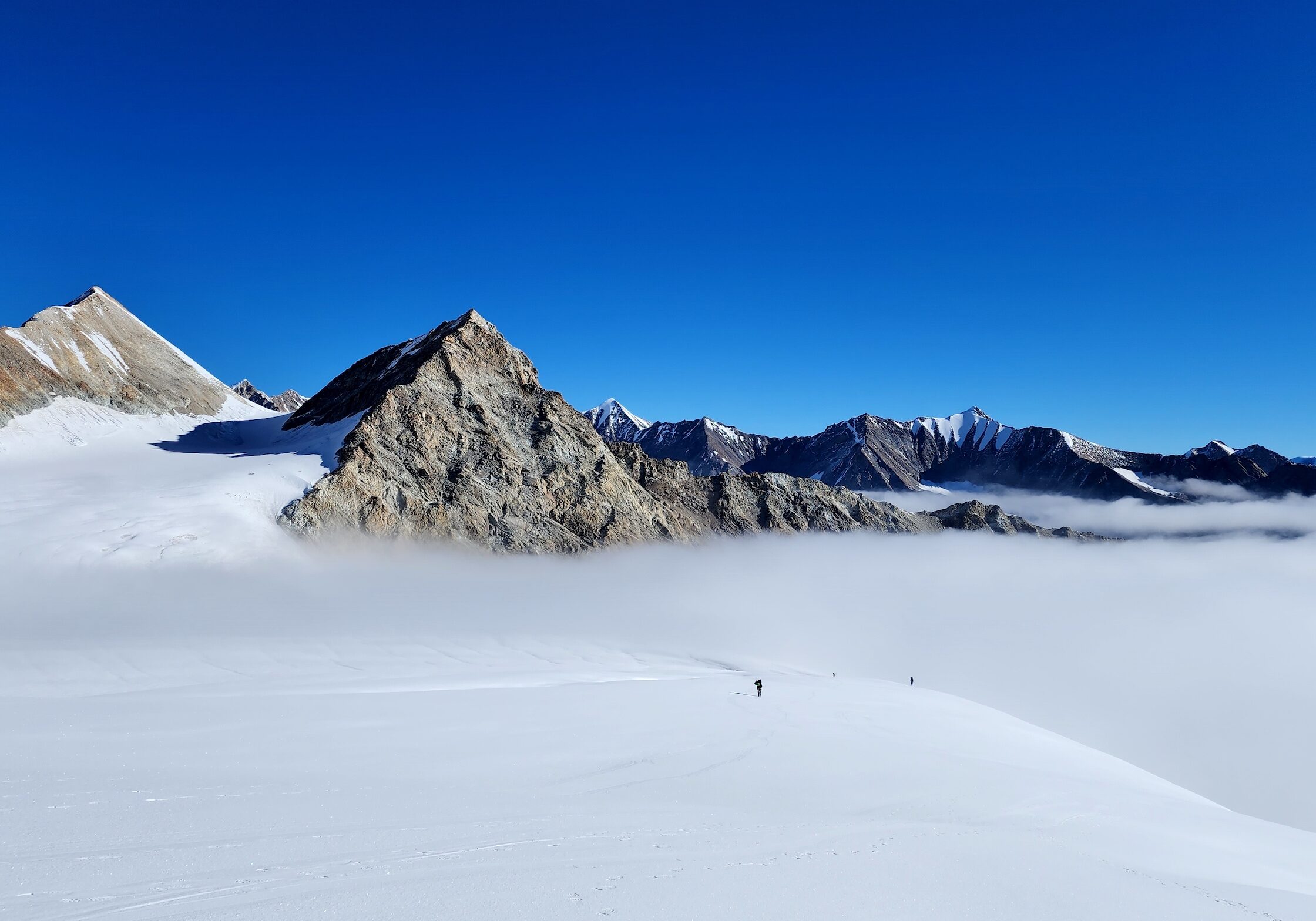
Through the Lens: Kalindi Khal Pass Trek Scenic Views
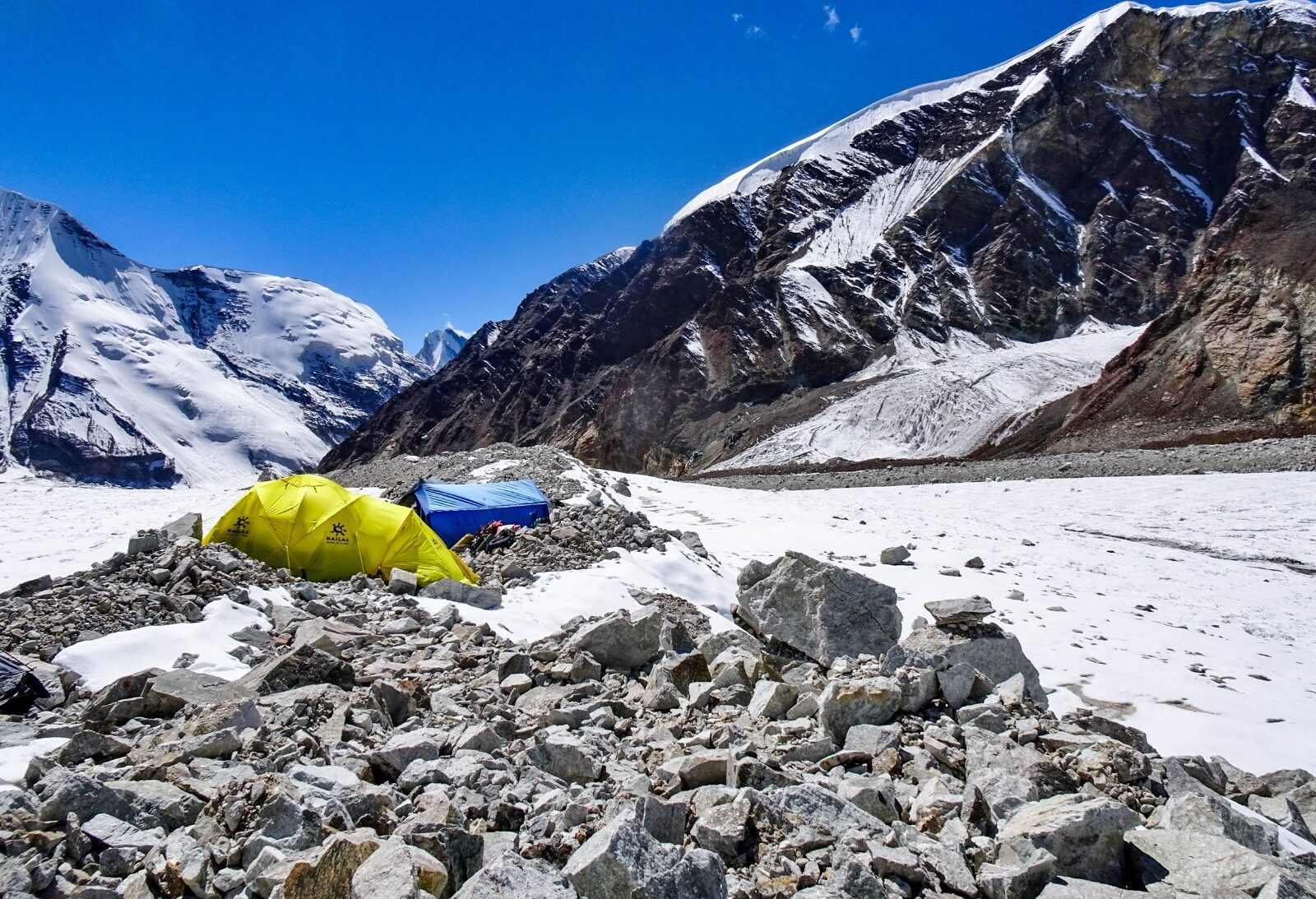
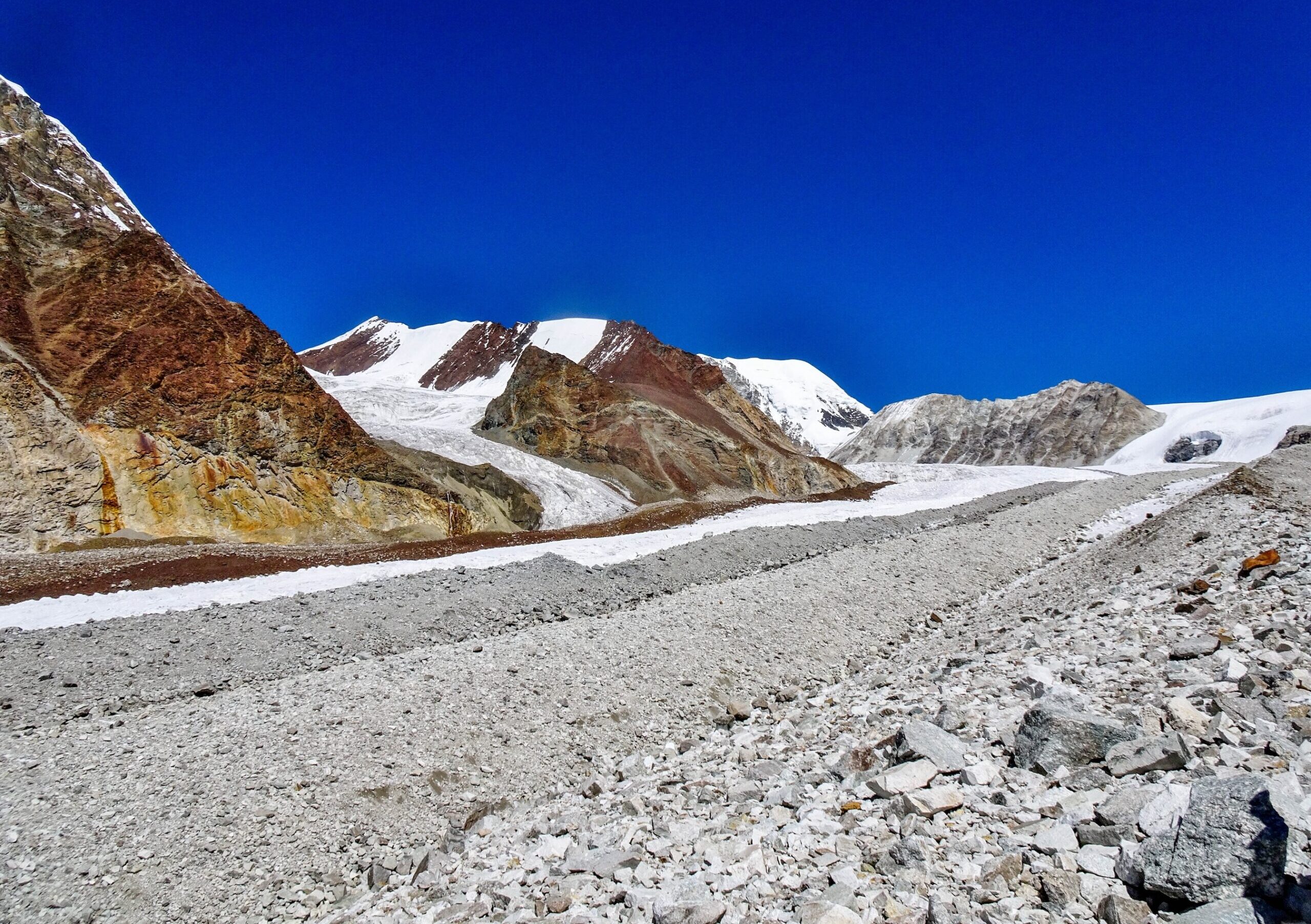
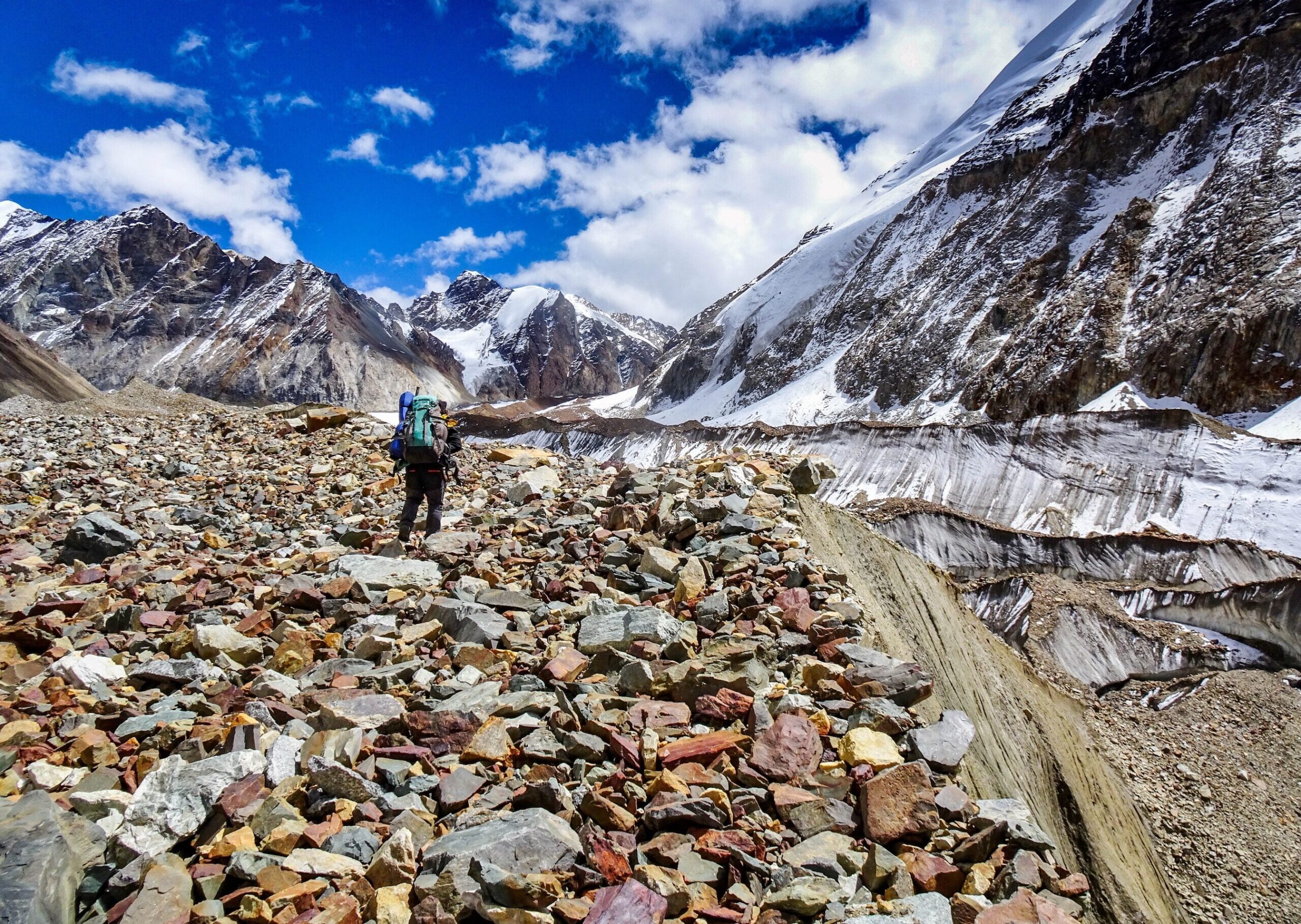
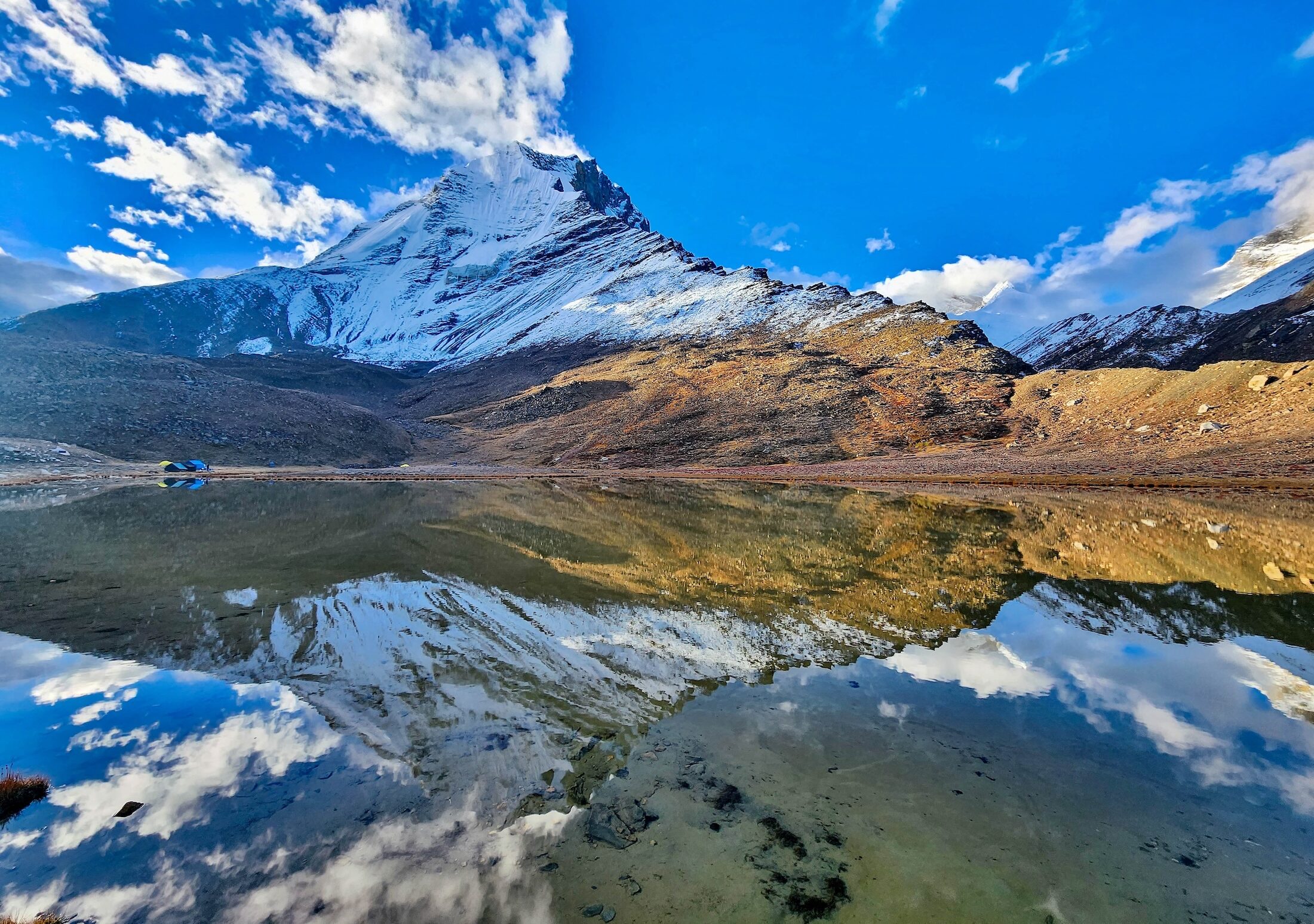
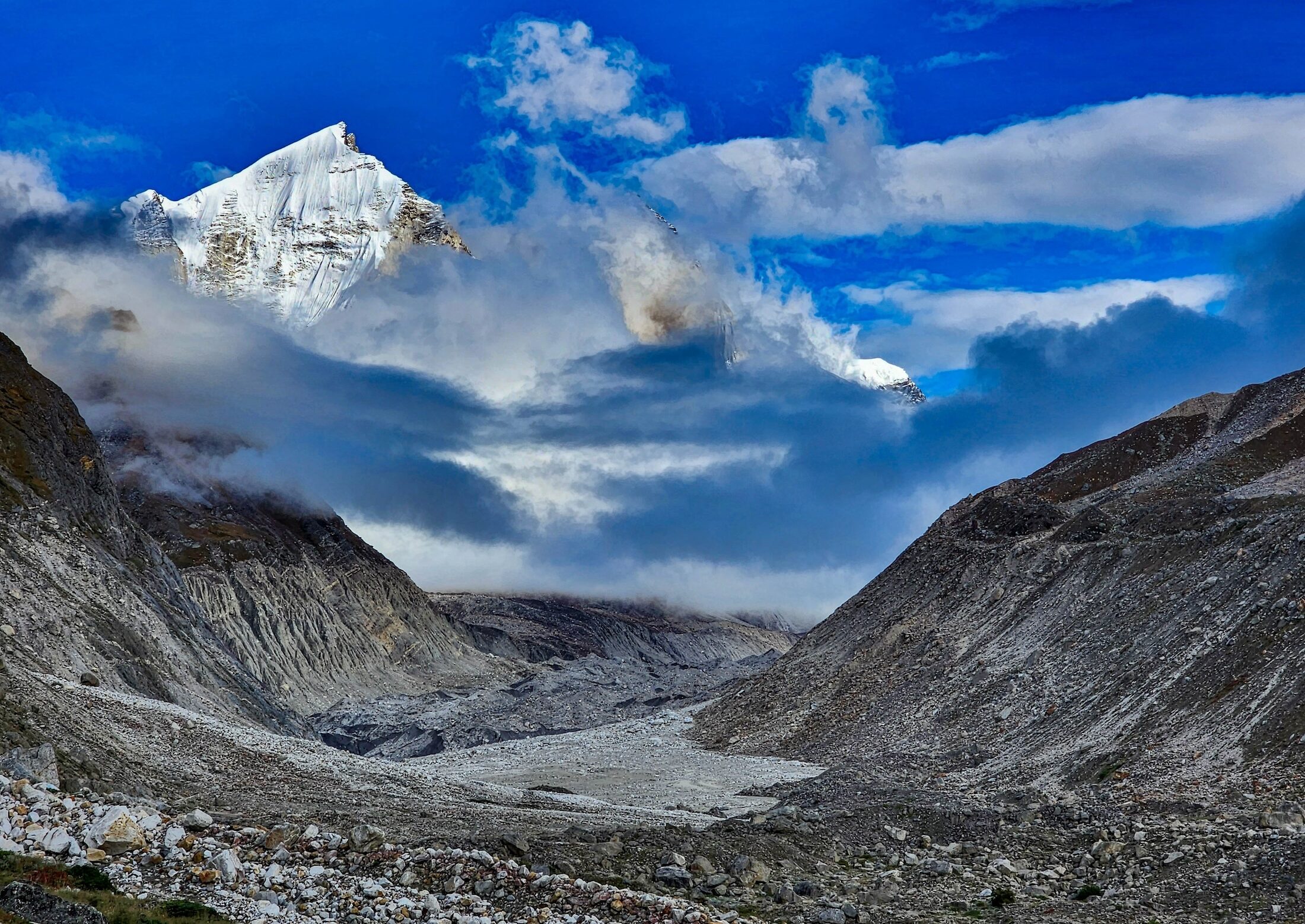
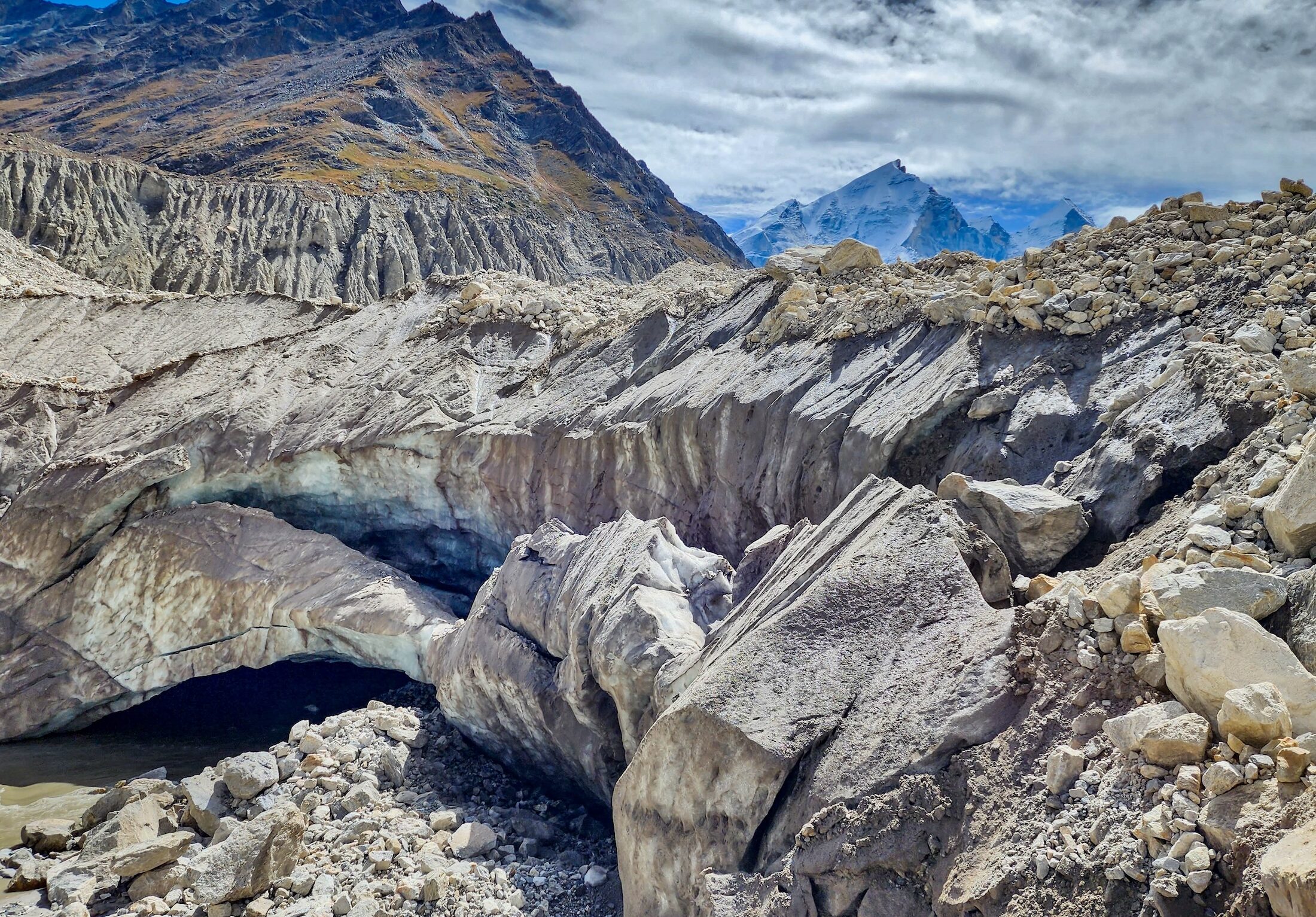
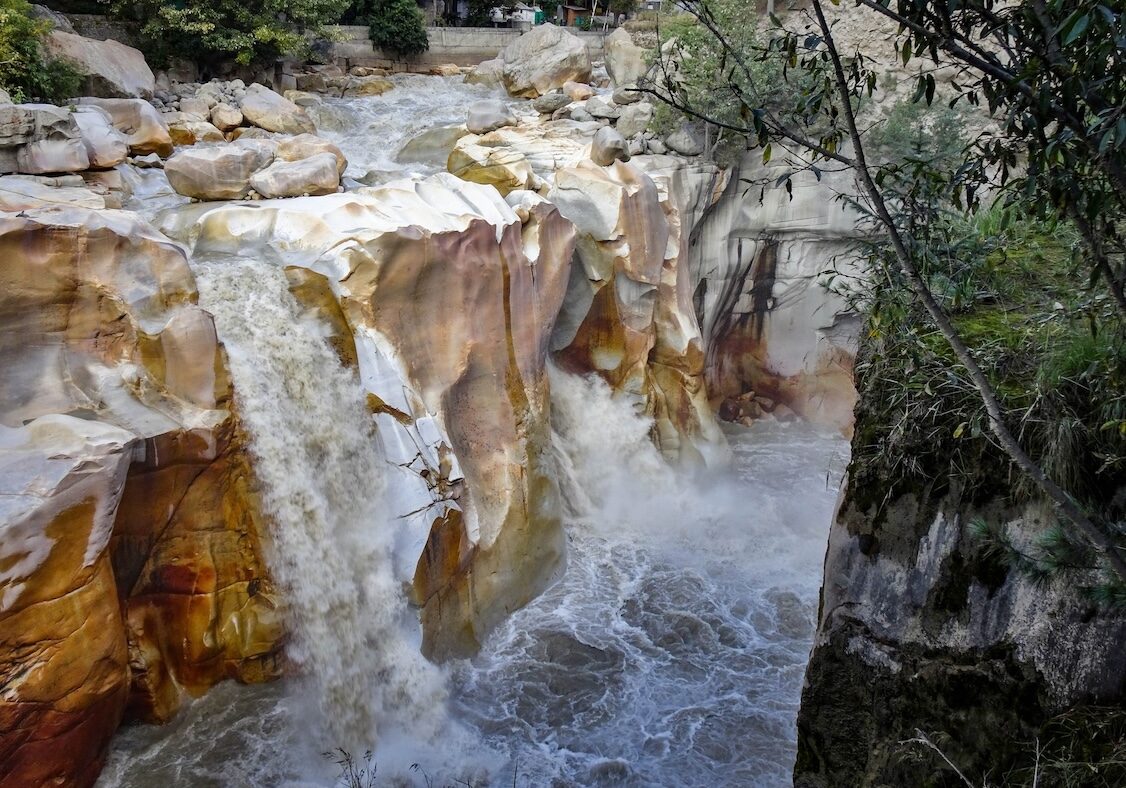
Trek Route & Itinerary
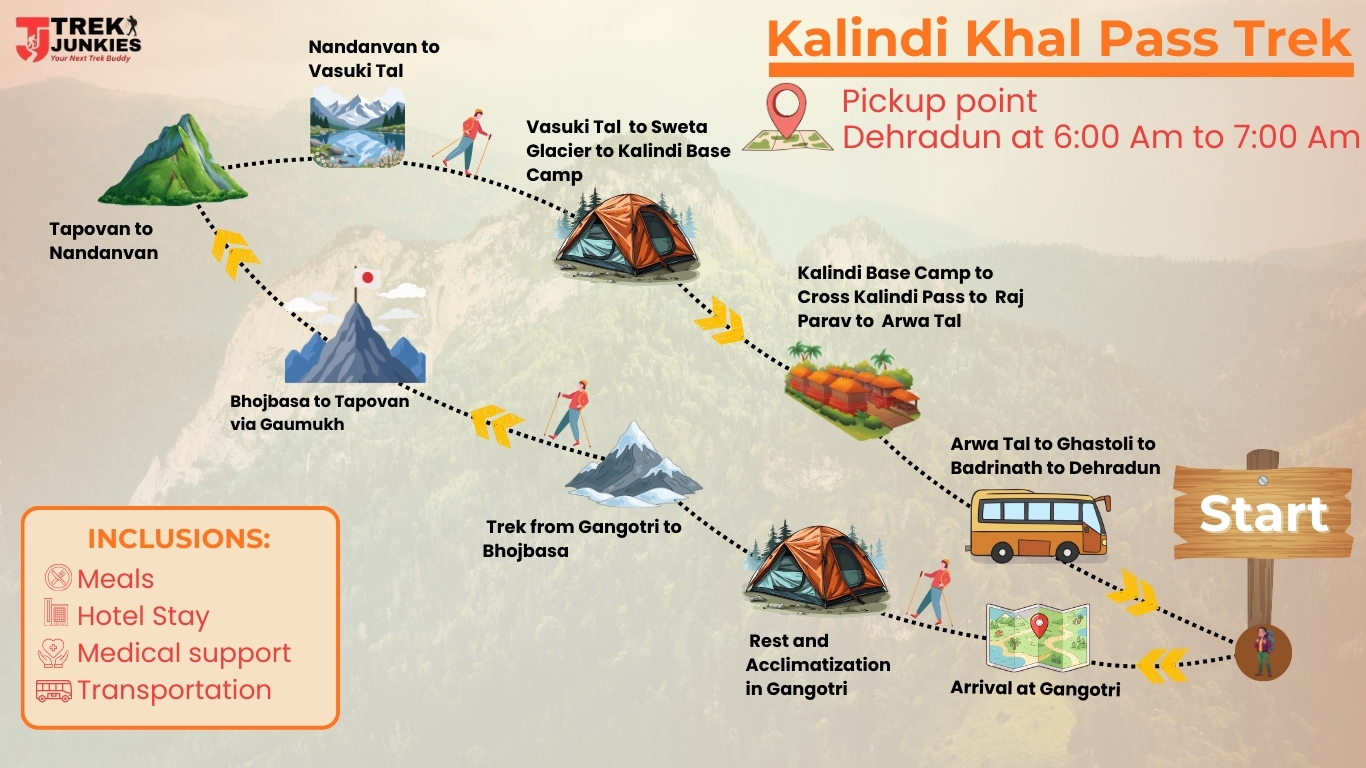
Detailed Day-Wise Kalindi Khal Pass Trek Itinerary
Your adventure begins in the holy town of Gangotri. After a long drive from Dehradun, you can spend the evening visiting the famous temple and watching the prayer ceremony by the river. It’s a great way to start your trip with a peaceful mind.
Today is all about letting your body get used to the mountain air. Take a short walk to nearby spots like Surya Kund or simply relax by the river. Staying hydrated and resting today will help you stay strong for the tougher climbs ahead.
The real walking starts today! You will follow a clear path alongside the roaring Bhagirathi River. After about 14 kilometers of walking through pine and birch forests, you will reach the rocky campsite of Bhojbasa, where you get your first amazing view of the famous Shivling peak.
This is an exciting day as you visit Gaumukh, the snout of the Gangotri Glacier and the source of the holy Ganges. After a steep climb over rocky ground, you will arrive at Tapovan, a beautiful high-altitude meadow. Blue mountain goats are often seen here grazing near the base of the giant peaks.
Today you will cross the massive Gangotri Glacier. It is a tricky walk over shifting rocks and ice, so you must stay focused. Once you reach Nandanvan, you’ll be rewarded with a spectacular view of the Bhagirathi peaks standing right in front of you.
The path now follows the colorful Chaturangi Glacier. It’s a steady climb toward a beautiful, half-frozen lake called Vasuki Tal. This peaceful campsite sits at the base of two massive mountains and is one of the most quiet and scenic spots on the entire trek.
Since you are now very high up, another rest day is essential. You can take small walks around the lake to keep your muscles moving but mostly focus on saving your energy. This rest will prepare you for the technical glacial sections coming up next.
The terrain becomes even more rugged today as you trek across boulders and thick snow beds. Khara Patthar is a rocky campsite named after its sheer cliffs. The air is thinner here, but the sight of the surrounding ice-covered peaks is absolutely breathtaking.The terrain becomes even more rugged today as you trek across boulders and thick snow beds. Khara Patthar is a rocky campsite named after its sheer cliffs. The air is thinner here, but the sight of the surrounding ice-covered peaks is absolutely breathtaking.The terrain becomes even more rugged today as you trek across boulders and thick snow beds. Khara Patthar is a rocky campsite named after its sheer cliffs. The air is thinner here, but the sight of the surrounding ice-covered peaks is absolutely breathtaking.The terrain becomes even more rugged today as you trek across boulders and thick snow beds. Khara Patthar is a rocky campsite named after its sheer cliffs. The air is thinner here, but the sight of the surrounding ice-covered peaks is absolutely breathtaking.The terrain becomes even more rugged today as you trek across boulders and thick snow beds. Khara Patthar is a rocky campsite named after its sheer cliffs. The air is thinner here, but the sight of the surrounding ice-covered peaks is absolutely breathtaking.
Even though the distance is short, the steep and snowy path makes today feel like a challenge. You will set up camp on the Sweta Glacier, surrounded by a world of white. It is a cold and wild place that makes you feel like a true explorer.
A gradual climb over ice and snow leads you to the final base camp before the big pass. From here, you can see the top of the Kalindi Khal Pass. Everyone stays tucked in their warm sleeping bags early tonight to get ready for a very early start.
Today is the big day! You will wake up at midnight to start your climb to the top of the pass. Standing at the summit is an incredible feeling, with views stretching all the way to Tibet. After celebrating, you will carefully descend to the rocky campsite of Raj Parav.
The hardest part is over as you begin your long descent. You will walk through glacial valleys and cross small streams until you reach Arwa Tal, a pretty lake surrounded by rugged mountains. It feels good to reach a lower altitude where the air is a bit thicker.
You will follow a mountain stream today through wide valleys. As you descend further, you’ll start to see small patches of green grass and wildflowers again. Ghastoli is a peaceful meadow where you can finally relax and celebrate your successful journey with your team.
On your final trekking day, you will walk down a well-defined path toward the village of Mana, the last village on the border. From there, a short drive brings you to the famous Badrinath temple. After many days in the wild, a warm meal and a comfortable bed will feel like pure luxury!
you will enjoy a final breakfast before starting the scenic 10 to 12-hour drive back to Dehradun. The route follows the winding Alaknanda River, passing through beautiful river confluences like Devprayag. As you descend from the high peaks into the green foothills, you will reach Dehradun by evening, bringing your epic mountain adventure to a close.
Experience & Highlights
What sets the Kalindi Khal Pass Trek apart is its rare combination of spiritual depth and extreme physical challenge. Often called the "Grand Traverse" of the Himalayas, it is one of the few routes in the world that connects two of the most sacred sites in India—Gangotri and Badrinath—via a high-altitude glacial pass. This isn't just a trail; it is a legendary link between the source of the Holy Ganga and the abode of Lord Vishnu, making it a pilgrimage for the soul as much as a feat for the body.
The scenery here is on a scale that is hard to imagine until you see it. You aren’t just looking at the mountains from a distance; you are walking through the very heart of the Garhwal range. You will find yourself standing at the base of world-famous peaks like Shivling, Satopanth, and Vasuki Parbat. The trek takes you across the massive Gangotri Glacier, a giant river of moving ice that makes you feel like an ant in a kingdom of giants. From the emerald waters of Vasuki Tal to the final, triumphant view from 5,950 meters, Kalindi Khal offers a raw, untouched beauty that very few people on Earth will ever witness.
The beauty of the Kalindi Khal Trek lies in its transition from sacred rivers to a high-altitude desert of ice. The journey begins in the lush, spiritual atmosphere of Gangotri, but quickly moves into a dramatic world of granite and snow. One of the most unforgettable highlights is camping at Vasuki Tal. This high-altitude lake sits like a blue diamond at the base of towering mountains, offering a mirror-like reflection of Mount Shivling that stays with you long after the trek is over.
As you push higher, the landscape turns into a "Glacial Symphony." You will navigate the massive Gangotri Glacier and the Chaturangi Glacier, so named for its four distinct colors. The sheer scale of these ice fields is humbling. Surrounded by giants like Satopanth and Bhagirathi, you get a front-row seat to the raw power of the Himalayas. The final ascent to the pass reveals a 360-degree panorama of the Garhwal range, a view of endless white peaks stretching toward the horizon. This trek doesn’t just offer scenery; it offers a sense of vastness and solitude that is increasingly rare in the world today.
The Kalindi Khal Trek offers a fascinating transition through the different layers of the Himalayas. The journey starts in the lower reaches near Gangotri, where you are surrounded by dense forests of ancient deodar and birch trees. As you climb higher, the greenery thins out into alpine meadows dotted with hardy wildflowers like the blue poppy or the legendary Brahma Kamal. These high-altitude plants are masters of survival, blooming in a world where the air is thin and the sun is fierce.
While the terrain is rugged, it is far from empty. If you keep a quiet eye on the rocky slopes, you might spot the elusive Blue Sheep (Bharal) grazing on steep cliffs. This is also the territory of the majestic Snow Leopard, though they remain the ghosts of the mountains, rarely seen but always felt. You will likely see Himalayan Griffons circling high above in the thermal currents, their massive wingspans silhouetted against the sky.
Of course, the true stars of the show are the Himalayan giants. Every turn reveals a new perspective of the "Matterhorn of India," Mount Shivling, alongside the massive walls of the Bhagirathi peaks. On clear days, the view expands to include the snowy ridges of Satopanth and Chandra Parbat. The sight of these peaks turning golden during sunrise is a visual masterpiece that defines the spirit of this trek.
Difficulty & Fitness
The Kalindi Khal Pass Trek is classified as an extreme-grade adventure, suitable only for experienced trekkers with high physical fitness. Reaching an altitude of nearly 6,000 meters, it is far more demanding than a standard Himalayan trek.
The difficulty lies in the technical terrain; you will spend days navigating massive glaciers, crossing deep crevasses, and walking over unstable moraines. The air is very thin, making every step a test of endurance. You must be comfortable using crampons and ice axes, and be prepared for unpredictable weather. It is a true mountaineering challenge that requires grit, preparation, and a deep respect for the high mountains.
The Kalindi Khal Pass is not a trail for the average hiker; it is a serious mountaineering expedition. This journey is best suited for experienced trekkers who have already completed several high-altitude treks above 4,500 meters. If you are comfortable using technical gear like crampons, ice axes, and ropes, and you enjoy navigating unpredictable glacial terrain, this is your next big milestone.
This trek is perfect for those who seek the ultimate challenge. It requires excellent cardiovascular fitness, mental grit, and a deep respect for the raw power of the Himalayas. If you are an aspiring mountaineer looking to test your limits at nearly 6,000 meters—moving from the source of the Ganga to the sacred valley of Badrinath—then this legendary traverse is made for you.
Regarding the fitness requirements for the Kalindi Khal Pass Trek, it is important to emphasize that this expedition is an extreme-grade challenge demanding peak physical conditioning. You will be trekking for six to ten hours daily at altitudes reaching nearly 6,000 meters, where oxygen levels are significantly lower than at sea level. To prepare effectively, you must focus on three main pillars of fitness: cardiovascular endurance, physical strength, and mental grit.
For cardiovascular endurance, you should be able to run ten kilometers in under sixty minutes comfortably. It is highly recommended to incorporate uphill treks, stair climbing, and long-distance cycling into your routine at least four months before your departure date. Strength and stability are equally vital, as you will need to carry a twelve to fifteen kilogram backpack over unstable glaciers and rocky moraines. Exercises like squats, lunges, and planks will help build the core and leg power needed to navigate this technical terrain. Finally, mental toughness is the key to staying focused during difficult sections, such as using crampons on steep ice or dealing with the thin mountain air.
Preparation Guide
Packing for the Kalindi Khal Pass Trek requires a careful balance between extreme warmth and technical functionality. Your clothing must follow a strict layering system, starting with high-quality moisture-wicking thermals, followed by a heavy down jacket capable of withstanding temperatures as low as -20°C. Since you will be spending days on glaciers, waterproof and windproof outer shells are non-negotiable to protect against sudden Himalayan blizzards. For footwear, you need professional-grade mountaineering boots that are stiff enough to support crampons, along with several pairs of thick woolen socks to prevent frostbite in the high-altitude chill.
Technical gear is what truly separates this trek from a standard hike. You must carry a climbing helmet, a high-quality ice axe, and micro-spikes or crampons for secure movement across the frozen Chaturangi and Gangotri glaciers. A 60 to 70-liter rucksack with a rain cover is essential for transporting your gear, while Category 4 polarized sunglasses are mandatory to prevent snow blindness from the intense glacial reflection. Don’t forget a high-quality headlamp with extra batteries, a personal medical kit including altitude sickness medication, and a reliable insulated water bottle to keep your liquids from freezing overnight.
When dressing for the Kalindi Khal Trek, think of your clothes as your personal shield against the mountains. You want to wear layers that you can easily put on or take off as the weather changes. Start with a thin, comfy base layer that pulls sweat away from your skin. On top of that, add a warm fleece or a light jacket to keep your body heat in. For the really cold sections and nights at camp, a thick, puffy down jacket is a must-have to stay cozy when the temperature drops well below freezing.
Your outer layer needs to be a tough, waterproof jacket that can block out biting winds and heavy snow. Don’t forget about your hands and feet, as they get cold the fastest. Use thick wool socks and heavy-duty boots that are made for walking on ice. For your hands, wear thin gloves inside big, waterproof mittens to keep your fingers moving and warm. Finally, always wear high-quality sunglasses to protect your eyes from the bright sun reflecting off the white snow.
Safety is the most important part of the Kalindi Khal journey. Because the air is very thin at 6,000 meters, you must walk slowly and drink plenty of water to help your body get used to the height. Never ignore signs of a headache or dizziness; telling your guide right away can save your life. It is also a smart idea to carry a small oxygen cylinder and a first-aid kit for emergencies. Always stay with your group while crossing glaciers, as hidden cracks in the ice can be dangerous if you wander off alone.
To have a great trek, keep your gear dry and organized. Pack your clothes in plastic bags inside your rucksack so they stay dry even if it snows. Before you start the climb each morning, do some light stretching to keep your muscles ready for the rocky path. Always check the weather forecast with your lead guide, as mountain weather can change in a heartbeat. Staying positive and helping your teammates will make the tough climbs feel much easier. By following these simple tips, you can focus on the amazing views while staying safe and strong.
Stay, Food & Facilities
During the first and last parts of your journey, you will stay in small local guesthouses or basic lodges. these provide a solid roof over your head, a warm bed, and a chance to enjoy a hot meal before heading into the wild. It is the perfect way to rest up and get your gear ready for the tough days ahead in the mountains.
As you move higher up, your accommodation will switch entirely to high-altitude tents. These sturdy shelters are pitched in some of the most remote spots on earth, from grassy meadows to the surface of massive glaciers. While the space is cozy, you will need a high-quality sleeping bag and a thick foam mat to stay warm against the frozen ground. Sleeping under the stars in the middle of the quiet wilderness is a highlight that makes this trek feel like a true expedition.
Eating well is key to keeping your energy high during this tough journey. You will enjoy fresh, hot meals three times a day, usually starting with a big breakfast of porridge, eggs, or local bread. Lunch is often a packed meal to eat on the trail, while dinner is a hearty feast of lentils, rice, and vegetables to help your body recover.
The camp kitchen team works hard to serve food that is easy to digest and full of the nutrients you need at high altitudes. You will also get plenty of hot tea, soup, and snacks to keep you warm and hydrated throughout the day. Drinking lots of water is very important, so the team ensures there is always safe, boiled water available for your bottles before you set off each morning.
Your safety is the highest priority on this extreme adventure. Every expedition team carries a comprehensive medical kit that includes life-saving oxygen cylinders, pulse oximeters to check your oxygen levels daily, and specialized medicines for altitude sickness. Professional guides, trained in wilderness first aid, monitor your health constantly to ensure you are acclimatizing well to the thin mountain air.
Strict safety protocols are in place for crossing glaciers and steep ice sections. You will often be roped together for safety, and guides use technical gear like static ropes and ice axes to secure the path. In case of an emergency, teams have clear evacuation plans, including satellite communication and helicopter rescue links, ensuring that help is always accessible even in the most remote parts of the Himalayas.
How to Reach Kalindi Khal Pass Trek
Simply reach Dehradun, and leave the logistics to us. We organize transport from the designated pickup point directly to the base camp. Enjoy a hassle-free, scenic drive through the mountains.
The nearest railway station is Dehradun, which is well-connected to major cities like New Delhi. Simply book your tickets to Dehradun; once you arrive, our team will receive you at the station or designated meeting point to commence the journey to the base camp.
The nearest airport is Jolly Grant Airport in Dehradun, which has regular flights from Delhi and other major cities. Once you land, simply take a taxi to the designated meeting point in Dehradun city. From there, we will pick you up and manage the entire journey to the base camp.
Cost & Inclusions
Trek packages range from ₹6,000 to ₹12,000 per person, including accommodation, meals, guide, permits, and transportation from Dehradun to base camp.
Personal expenses, travel insurance, porter charges for personal bags, additional meals in Dehradun, tips, and any items not mentioned in inclusions.
Personal expenses, travel insurance, porter charges for personal bags, additional meals in Dehradun, tips, and any items not mentioned in inclusions.
Permissions & Guidelines
Forest permits and camping permissions mandatory. Trek operators arrange all necessary permits from Uttarakhand Forest Department. Carry valid ID proof for verification.
Why You Should Choose Kalindi Khal Pass Trek with Us
01
Experienced Guides & Safety First
Our certified trek leaders with 10+ years of experience ensure your safety with proper acclimatization, emergency protocols, and expert navigation throughout the journey.
02
Local Expertise
Our team belongs to these mountains, growing up walking these trails. Their deep understanding of local weather, culture, and hidden spots makes your trek experience richer and more authentic.
03
24/7 Support & Assistance
Round-the-clock support team available for queries, emergencies, and assistance. Stay connected with base camp throughout your trek for complete peace of mind.
Similar Treks
Kedarkantha Trek
Roopkund Trek
Brahmatal Trek
Kuari Pass Trek
Frequently Asked Questions
While nobody can promise exact weather, you are almost certain to see snow on this journey. Because you are trekking at very high altitudes and crossing massive glaciers, you will be walking over frozen ground and old snow for a large part of the trip. Even in the middle of summer, the peaks stay white year-round. It is very common to have fresh snow showers during the afternoons, especially as you get closer to the highest pass.
Seeing a fresh blanket of snow makes the mountains look magical, but it also means you must be ready for the cold. The weather in the high Himalayas can change very quickly, turning a sunny morning into a snowy afternoon in just a few minutes. This is why it is so important to carry waterproof gear and warm layers at all times. Being prepared for snow is just part of the fun and challenge of this incredible mountain adventure.
The Kalindi Khal Pass is not a trek for beginners. It is a very tough journey that is more like mountain climbing than a normal walk. You will spend several days walking on slippery ice, crossing deep cracks in the ground, and breathing very thin air at nearly 6,000 meters. Without experience on high-altitude trails, your body may struggle with the height and the technical gear needed to stay safe.
If you are new to trekking, it is best to start with easier mountain trips first. Gaining experience on lower peaks will help you build the strength and skills you need for a big challenge like this. This trek requires you to be comfortable using tools like ice axes and crampons, which takes practice. By starting with smaller adventures, you can prepare yourself to one day tackle this legendary route safely and with confidence.
The Kalindi Khal Pass Trek is not considered safe during the winter months and is generally closed to trekkers. During this time, the route becomes extremely dangerous due to massive amounts of snow that hide deep cracks in the glaciers. The temperatures drop to deadly levels, often reaching far below -30°C, and the risk of avalanches is very high on the steep slopes. Most mountain passes at this height are completely blocked by heavy snowfall until the spring.
Attempting this journey in winter requires professional mountaineering skills and specialized equipment that goes beyond standard trekking. Even for experts, the short days and fierce winter storms make it nearly impossible to navigate the path safely. It is much better to plan your adventure for the summer or autumn when the weather is more stable and the trails are visible. Your safety is the most important thing, so waiting for the right season ensures you can enjoy the stunning views without taking unnecessary risks.
The temperature on the Kalindi Khal Pass Trek changes a lot depending on how high you are and the time of day. During the popular trekking months of May, June, and September, daytime temperatures are usually quite pleasant, ranging between 5°C and 15°C at the lower camps. However, as you climb toward the high pass at nearly 6,000 meters, even the daytime sun feels chilly, with temperatures staying between -2°C and 8°C.
Once the sun sets, the mountains get very cold very quickly. At higher campsites, nighttime temperatures almost always drop well below freezing, often falling between -5°C and -15°C. In the most extreme areas near the summit, it can even plummet to -25°C. Because of these freezing nights, you must have a high-quality sleeping bag and plenty of warm layers to stay safe and cozy in your tent while the mountain air turns icy.